What is narrowing of the blood vessels in the brain (cerebral artery stenosis)?
Cerebral vasoconstriction, or cerebral vasoconstriction, is a pathological condition in which the lumen of the arteries supplying blood to the brain decreases. This leads to impaired blood circulation, which can cause oxygen starvation of brain tissue and the development of serious complications, such as stroke.
Causes of cerebral vasoconstriction
Headache, fatigue, and drowsiness may indicate the development of a dangerous disease – narrowing of the main cerebral vessels (cerebral arteries). Several factors contribute to the development of narrowing:
- Atherosclerosis – the formation of cholesterol plaques on the walls of arteries leads to narrowing of their lumen over a large area
- Hypertension – constantly elevated blood pressure causes the walls of blood vessels to lose elasticity, which contributes to their narrowing. Blood pressure jumps lead to a decrease in the elasticity of blood vessels
- Diabetes mellitus – metabolic disorders in diabetes negatively affect the state of the vascular system
- Cervical osteochondrosis – can cause mechanical compression of blood vessels and their narrowing over a long distance
- Vasoconstriction – temporary narrowing of blood vessels can be caused by stress, overwork, or sleep disturbances
- Bad habits – smoking, excessive alcohol consumption, or poor nutrition can contribute to the development of vascular pathologies.
How to recognize symptoms: from the first signs to a stroke
The clinical picture depends on the stage of the disease and the degree of vascular narrowing.
Initial stage
In the early stages of the disease, symptoms may be mild or nonspecific:
- Mild intermittent headache (often occurs at the end of the day)
- Dizziness and loss of coordination
- Impaired memory and concentration
- Slight general weakness and fatigue
- Sleep disturbances and irritability
Disease progression
If detected late and treatment is not provided, the condition worsens:
- Headaches occur more often and their intensity increases
- The pain is difficult to relieve with painkillers
- General weakness increases, working capacity decreases
- Movement coordination disorders are added.
- Mental processes and memory suffer
Late stage and critical symptoms
In the later stages, vasoconstriction can lead to serious neurological disorders:
- Headache becomes constant
- General well-being significantly worsens
- Speech and motor disorders
- Possible loss of consciousness
The most dangerous complications
The most dangerous is the occurrence of transient ischemic attacks and ischemic stroke. Transient ischemic attacks are characterized by the appearance of temporary neurological deficits:
- Numbness in an arm or leg
- Speech disorders
- Weakness in the limbs
- Vision impairment
Important: a transient disturbance is practically a stroke, but the symptoms regress within a day. If this does not happen, the condition should be considered a stroke.
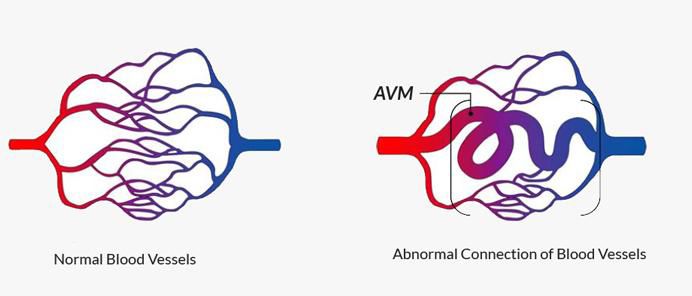
What is dangerous about vasoconstriction: complications and consequences
If vasoconstriction is left untreated, it can lead to:
- Ischemic stroke – cessation of blood supply to a certain area of the brain.
- Hemorrhagic stroke – rupture of a blood vessel and hemorrhage into the brain.
- Dementia is a progressive deterioration of cognitive functions.
Diagnosis of cerebral vascular narrowing in Ternopil
The following methods are used to diagnose cerebral vascular narrowing:
- Cerebral angiography
- MRI with contrast to assess the condition of the vessels
- Ultrasound of extracranial vessels
- Duplex scanning of the neck arteries
- Doppler imaging to assess blood flow velocity
- Tomography of the cervical spine.
Laboratory tests:
- Complete blood count
- Cholesterol level determination
- Blood glucose level
- Other biochemical indicators
You can make an appointment for a consultation with a neurosurgeon regarding extracranial vessels using the contacts listed on our website.

Modern methods of treating cerebral artery stenosis
Treatment depends on the degree of vascular damage and includes drug, non-drug therapy, and surgical methods.
1. Drug treatment
- Cholesterol-lowering drugs (statins).
- Antihypertensive drugs to control blood pressure.
- Vasodilators.
- Antiplatelet agents (aspirin) to prevent blood clots.
2. Surgical intervention: angioplasty and stenting
If the patient has critical vascular stenosis, surgical intervention is recommended:
- Angioplasty – insertion of a catheter with a balloon to widen the narrowed area
- Stenting – the placement of a metal stent that keeps the vessel open
- Endarterectomy – removal of cholesterol plaques.
The equipment of the neurosurgical department and the presence of qualified specialists allow detecting vascular narrowing at any stage and timely correcting the detected violations. The intervention can be performed both by open and minimally invasive (endovascular) methods.
3. Lifestyle change
- Balanced diet low in fat and salt.
- Regular physical activity.
- Quitting smoking and alcohol.
- Stress control and normalization of sleep patterns.
If the described symptoms appear, you should immediately consult a doctor.
Prevention of vasoconstriction: how to prevent problems
To prevent narrowing of the cerebral vessels, follow these recommendations:
- Check your blood pressure regularly.
- Control your cholesterol and blood glucose levels.
- Avoid bad habits.
- Pay attention to physical activity and proper nutrition.
Remember: prevention and early detection of diseases is the key to maintaining quality of life!
Cerebral vascular stenosis is a serious condition that requires timely diagnosis and treatment. Regular medical check-ups, a healthy lifestyle, and following your doctor’s recommendations will help reduce the risk of complications and keep your vessels in good condition.
Don’t postpone your visit to the doctor – make an appointment for a consultation today!
.
Doctor Zhuravlev O.F., Leontiev O.Yu.
Frequently asked questions about cerebral vasoconstriction
What are the first signs of cerebral vascular narrowing?
The first signs include periodic headaches (especially in the evening), mild dizziness, impaired memory and concentration, and fatigue. These symptoms are often ignored, but they may indicate the development of a serious illness.
Can vascular stenosis be cured without surgery?
In the early stages, effective drug treatment combined with lifestyle changes. Drugs for lowering cholesterol, controlling blood pressure and vasodilators can significantly improve the condition. Surgical intervention is indicated for critical narrowing of the vessels (more than 70% of the lumen).
How much does an ultrasound of the brain vessels cost in Ternopil?
The cost of ultrasound of extracranial vessels in our clinic ranges from 400 to 800 UAH depending on the scope of the study. For accurate information and to make an appointment, call the contacts listed on the website.
How often should the brain vessels be checked?
People over the age of 40, especially those with hypertension, high cholesterol, or diabetes, are recommended to have an annual checkup. If there are symptoms or risk factors, the frequency of examinations is determined individually by the doctor.
Is vasoconstriction inherited?
The narrowing itself is not directly transmitted, but the predisposition to atherosclerosis, hypertension, and metabolic disorders can be hereditary. If relatives have had vascular problems or strokes, the risk of the disease increases, so regular prevention is important.
How long does recovery take after brain surgery?
With minimally invasive surgery (angioplasty, stenting), the patient can be discharged after 2-3 days. Full recovery takes 2-4 weeks. With open surgery (endarterectomy), the hospitalization period is 5-7 days, full recovery – up to 6-8 weeks.
What products help improve the condition of blood vessels?
Useful foods: fatty fish (omega-3), nuts, avocado, olive oil, berries, green tea, garlic, citrus fruits, whole grain cereals. You should limit: trans fats, sweets, salt, fried, smoked, fast food, excessively fatty foods.
Can I exercise if I have vasoconstriction?
Moderate physical activity is useful and even necessary: walking, swimming, yoga, cycling. Avoid intense strength training, sudden movements, and lifting heavy weights. Before starting classes, be sure to consult a doctor to select an individual program.