Vascular malformations of the central nervous system: types

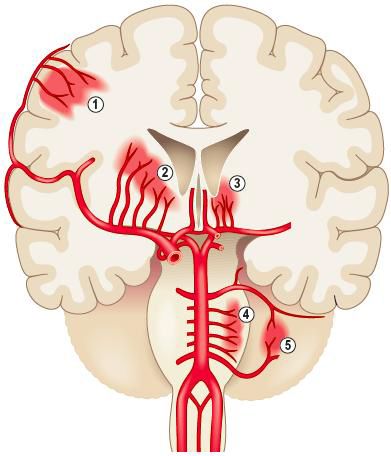
Cerebral vascular malformations are a congenital pathology of the development of the vascular system , which is characterized by the formation of clusters of pathological vessels of various shapes and sizes.

Depending on the structure, the predominance of veins, capillaries, or pathologically altered vessels, several types of cerebral vascular malformations are distinguished:

  • arterial,
  • arteriovenous malformation (most common),
  • cavernous angioma,
  • telangiectasia (capillary),
  • venous angioma.

These vessels are pathological, therefore they do not perform their usual function. Normally, the blood that nourishes the brain flows through the arteries, then through smaller arterioles, capillaries, where gas exchange with tissues and the delivery of nutrients to brain cells occur.

The blood then collects in venules, larger veins, and flows into the sinuses of the brain, leaving the cranial cavity. When an AVM occurs, arterial blood does not nourish brain cells, but through pathological shunts is discharged directly into the venous system, bypassing the capillary network.

This leads to “robbing” of the brain area, causing a chronic deficiency of oxygen and nutrients. Also, pathological vascular tangles can reach quite large sizes and mechanically compress the brain structures, causing various neurological symptoms. The walls of vascular malformation are worn, so their ruptures with the formation of intracranial hemorrhages (strokes) quite often occur.

Symptoms

Clinically, vascular malformations can manifest themselves as:

  • convulsive attacks,
  • headache ,
  • focal neurological symptoms.

Patients with large malformations may experience a pulsating noise in the head. When a brain malformation ruptures, the symptoms are quite pronounced: patients usually experience a sudden severe headache, often loss of consciousness to the point of coma, and severe gait, speech, memory, and mental disorders occur.
Treatment methods

Prompt removal

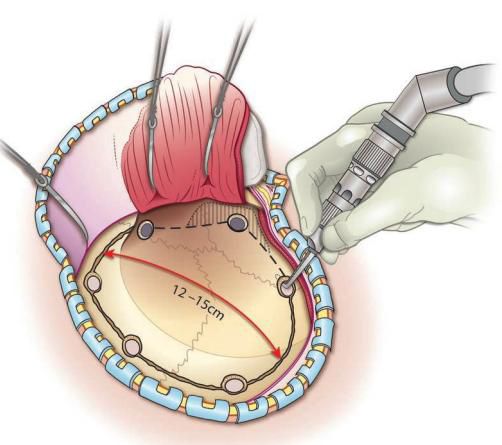
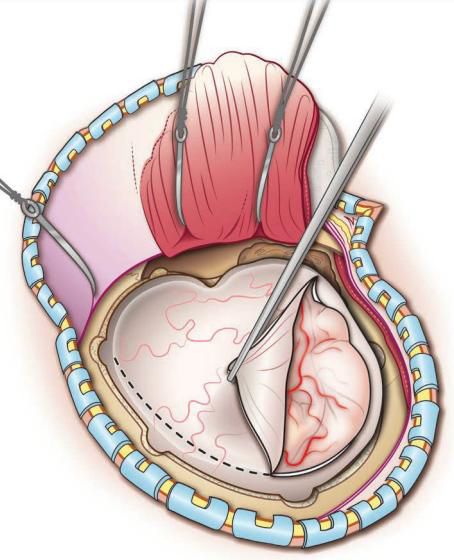
Microsurgical removal is an open brain surgery through a trephination window using an operating microscope and microsurgical equipment. The vessels that feed the malformation are gradually isolated, clipped , coagulated, and the entire malformation node is removed.

Endovascular embolization

A minimally invasive method of treating vascular malformations of the brain without craniotomy is endovascular embolization. The method consists in artificially excluding pathological vessels from bleeding.

This restores blood flow to normal vessels. This is achieved by inserting a thin catheter directly into the malformation vessels and injecting a special adhesive substance that blocks blood flow in the abnormal vessels.
Стаття написана: 22.01.2026

Стаття перевірена медичним спеціалістом: 22.01.2026

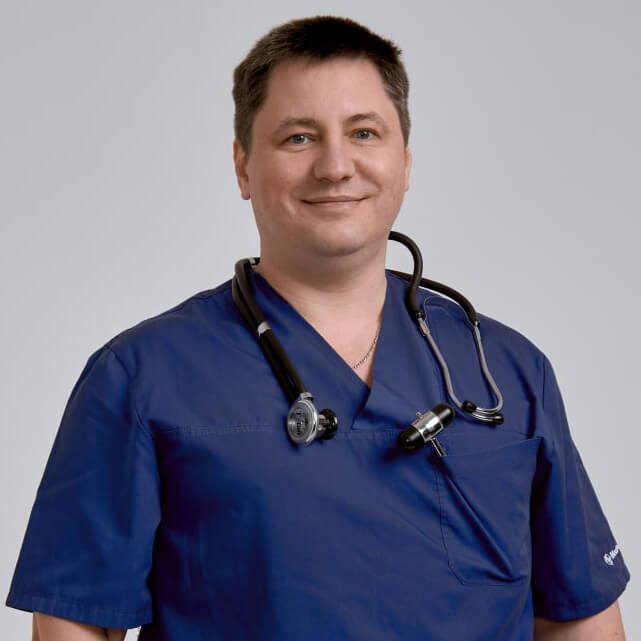
Автор статті: Леонтьєв Олексій

If you need treatment from a neurosurgeon in Ternopil, you should follow these steps:

  1. Contact your family doctor or specialist who can recommend a neurosurgeon in Ternopil.
  2. Contact the nearest medical facility to receive a referral for a consultation with a neurosurgeon in Ternopil.
  3. Make an appointment for a consultation with your chosen neurosurgeon in Ternopil. You can do this through the contact center of the medical institution, using the online appointment form on the hospital website, or directly contact the reception.
  4. Prepare all necessary medical documentation, including test results, X-rays, and other tests. This will help the doctor better understand your condition and prescribe the necessary treatment.
  5. During your consultation, your neurosurgeon will review your medical records, perform additional tests, and prescribe treatment based on your diagnosis. They will also give you advice on how to care for yourself during your treatment.

In Ternopil, there are several options where you can get help:

1. Ternopil Regional Clinical Hospital:

  • It has a neurosurgery department where qualified specialists can diagnose and treat developmental abnormalities of the nervous system.
  • The head of the neurosurgery department is Oleksiy Oleksandrovych Leontiev, an experienced neurosurgeon who has successfully performed many operations to treat developmental anomalies.
  • Contact information:

2. Private medical institutions:

  • There are also several private medical institutions in Ternopil that offer services for the diagnosis and treatment of developmental anomalies.
  • It is recommended to read reviews about these institutions and compare their prices before making a final choice.

Importantly:

  • Before contacting any medical facility, it is recommended to consult with your family doctor.
  • You must have all necessary medical documents with you, such as an outpatient card, test results, and examinations.
Vascular malformations of the CNS 1 Тернопіль

The article was checked by a neurosurgeon of the highest category: LEONTIEV OLEKSII.

It is of general informational nature and does not replace specialist advice. For recommendations on diagnosis and treatment, a doctor’s consultation is required.

Advantages

When you consult a neurosurgeon, you can expect:

  • Skill in performing complex surgical operations on the brain and spinal cord, as well as on the nerves.

  • Caring for our patients, ensuring they have the most comfortable course of treatment.

  • Knowledge of the latest technologies and treatment methods, which are constantly being improved.

  • Neurosurgery gives a chance for a new life!

Ready to feel better? Then just fill out the form below

Leave a Reply

Your email address will not be published. Required fields are marked *

  • Rating
Так, лікар-нейрохірург може допомогти з Vascular malformations of the CNS. Однак оптимальне лікування залежить від розміру, типу та місцезнаходження проблеми, а також від загального стану пацієнта.
Вартість Vascular malformations of the CNS будуть оголошені після первинної консультації та аналізів.
З питання Vascular malformations of the CNS у Тернополі можна звернутися за адресою проспект Степана Бандери, 96 до відділення нейрохірургії до лікаря Леонтьєва Олексія.

Часті питання, які можуть виникнути у пацієнтів перед візитом до нейрохірурга, можуть включати:

  • Які симптоми повинні змусити мене звернутися до нейрохірурга?
  • Які діагностичні процедури виконуються перед хірургічним втручанням?
  • Які можливі ризики та ускладнення пов’язані з операцією?
  • Якою буде тривалість відновлювального періоду після операції?
  • Які можливості для лікування є, крім хірургічного втручання?
  • Які дієтичні та режимні рекомендації слід дотримуватись після операції?
  • Як можна зменшити ризик повторного виникнення патології після операції?
  • Які показники ефективності хірургічного лікування та які шанси на повне одужання?

Звісно, ​​конкретні питання залежатимуть від хвороби чи стану пацієнта. Нейрохірург обговорить з пацієнтом усі деталі операції, діагностики та післяопераційного догляду та відповість на будь-які додаткові питання пацієнта.