Types of combined injuries
This is a combined injury in which two or more anatomical areas are damaged. Most often, one of the injuries is more severe and can be life-threatening.
Mild and minor injury to other organs
Mild TBI (mild concussion or contusion) and minor injury to other organs:
- blows,
- soft tissue abrasions,
- closed fractures without displacement of bone fragments.
Mild and severe injury to other organs
Mild TBI (concussion or mild brain injury) and severe injury to other organs:
- multiple rib fractures,
- pelvic bones,
- spinal fracture ,
- traumatic injuries to internal organs.
Severe and mild injury to other organs
Severe TBI ( moderate or severe brain contusion , intracranial hematoma, depressed skull fractures) and mild injury to other organs:
- blows,
- soft tissue abrasions,
- closed fractures without displacement of bone fragments.
Severe and severe injury to other organs
Severe TBI (moderate or severe brain contusion , intracranial hematoma, depressed skull fractures) and severe injury to other organs:
- multiple rib fractures,
- pelvic bones,
- spinal fracture,
- traumatic injuries to internal organs.
Main reasons
- Road accident,
- falling from a height.
Combined injuries disrupt the functions of many body systems. Combined injuries mutually aggravate each other.
Diagnostics
- X-ray of the skull, cervical spine, chest organs, pelvic bones, and, if necessary, limb bones;
- The most informative diagnostic method is multispiral computed tomography (skull, spine, thoracic cavity organs, abdominal cavity, pelvic bones);
- Ultrasound of the pleural cavities and abdominal organs.
Most often, the combined injury is severe and the victims are taken to the hospital in a state of shock. The first stage of treatment is carried out in the intensive care unit until the restoration of vital functions.
Timely neuroimaging is extremely important – that is, additional examination with computed tomography of the brain and internal organs, which allows significantly improving the quality of diagnostics and preventing life-threatening complications, such as bleeding in the skull and internal organs.
All injuries that combine in the victim’s body affect him not simply by the mechanism of summation of their processes, but mutually aggravate each other, which requires the right approach to treatment and rehabilitation. Therefore, patients with combined injuries should, if possible, be treated in highly specialized institutions that have the entire necessary arsenal of specialists, diagnostic and treatment capabilities.
The neurosurgeon takes not the last place in the treatment process, and sometimes even manages the entire treatment process. The hospital has collected diagnostic and treatment facilities, the best in the region for the treatment and rehabilitation of such a group of patients. This is a computer tomograph, a modern electron-optical converter, an MRI, and all the necessary specialists.
Conservative treatment of mild combined injuries
Combined TBI is a completely different type of injury, in which the functions of many body systems are disrupted. The syndrome of “mutual burden” involves the early development of complications and decompensation of human systems and organs.
Treatment of combined TBI is a difficult and responsible task. Even in the case of mild TBI , in the presence of underlying chronic diseases, compensatory function disorders may be observed, requiring intensive treatment.
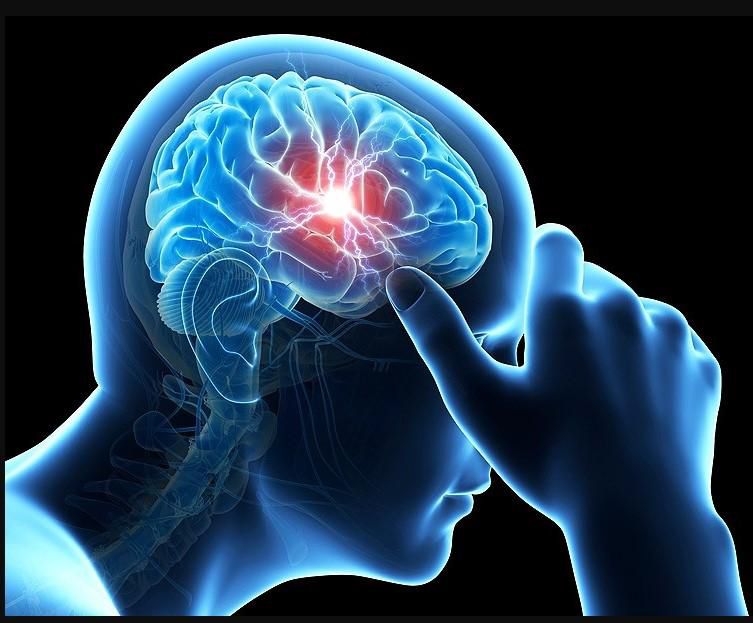
CONTROL
Patients with combined trauma require constant monitoring of vital functions:
- breath,
- cardiac activity,
- blood circulation,
- thermoregulation for timely detection of complications.
Target
Treatment of mild combined TBI is symptomatic, the priority in treatment is aimed at:
- to correct violations of vital functions,
- adequate anesthesia,
- combating dehydration
- and cerebral edema.
Rehabilitation
After stabilizing the patient’s condition:
- further medical correction of CNS disorders is carried out,
- physiotherapy procedures are prescribed,
- Exercise therapy,
- Further rehabilitation measures are planned.
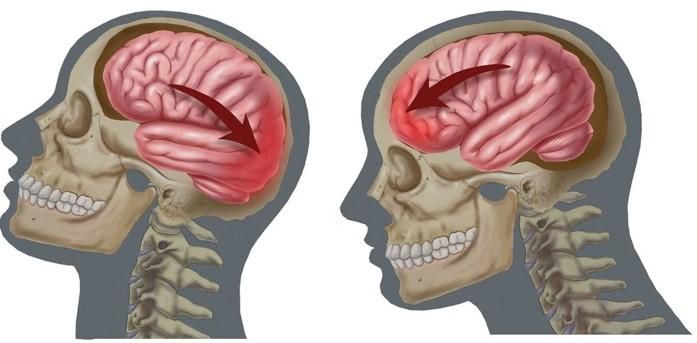
The availability of modern equipment, the use of current European protocols, and highly qualified staff of the neurosurgical department allow us to successfully cope with this complex type of injury.
Surgical treatment of mild combined injuries
The main surgical treatment for mild traumatic brain injury is primary surgical treatment of head wounds (PSW).
The essence of the operation
- wound examination,
- treatment with antiseptic solutions,
- removal of foreign bodies (hair, stones, glass, etc.),
- excision of non-viable tissues,
- and suturing.
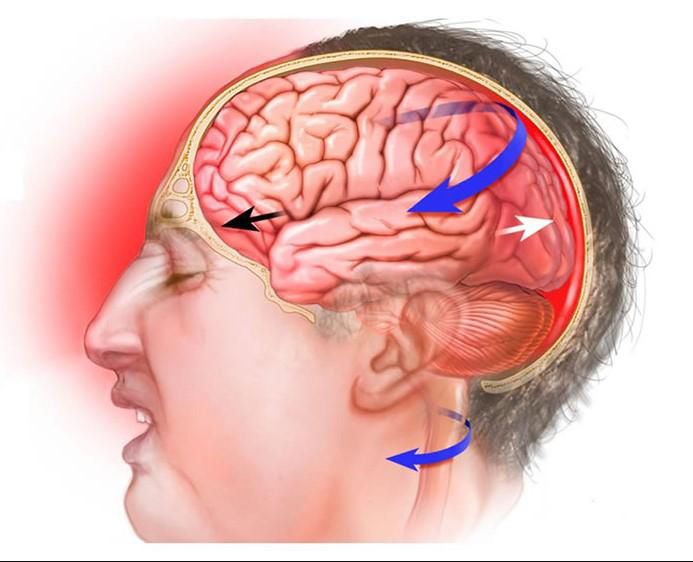
Operation
The operation is performed under local anesthesia. In the presence of large scalp wounds, PHO is performed in the operating room. Given the multidisciplinary nature of our hospital, high-quality operations are performed on the facial skull and skeletal bones in case of combined trauma.
The following operations are also performed:
- with a combination of TBI,
- injuries of the abdominal and thoracic cavities,
- urinary system,
- main vessels,
- eyes.
If there are skin defects, combustiologists are involved to perform plastic surgery.
If necessary, operations on different organs, bones, and vessels are performed simultaneously in one operating room. This allows for highly specialized care to be provided within the same hospital, which clearly improves the patient’s recovery.
Doctors Malyshenko M.P. and Dmytruk V.S., Nazarenko O.S., Leontiev O.Yu.