Ventriculoperitoneal shunt (VPS) in Ternopil

Ventriculoperitoneal shunt (VPS) is the gold standard surgical treatment for hydrocephalus. During the operation, a special silicone system with a valve is implanted under the skin, which imperceptibly and continuously drains excess fluid from the brain into the abdominal cavity, allowing the patient to lead a full life.

order a call
20+

years of experience in neurosurgery

3000+

operations performed

35+

internships in Europe

100%

modern techniques

INTERNSHIP SINCE 2002

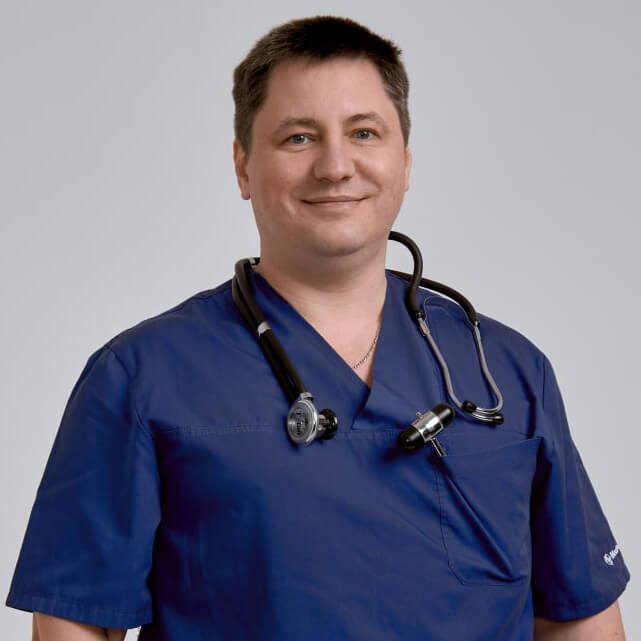
LEONTIEV OLEKSIY

neurosurgeon of the highest category
candidate of medical sciences

head of the neurosurgical department
KNP "TOKPL" TOR

Ventriculoperitoneal shunt for hydrocephalus

Ventriculoperitoneal shunting is an operation to eliminate hydrocephalus. The essence of the operation is to create an outflow of cerebrospinal fluid (CSF) from the dilated ventricles of the brain into the abdominal cavity using a special CSF shunting system (CSFS).

The LHS consists of three components:

  1. ventricular catheter – it is inserted into the cavity of the dilated lateral ventricle,
  2. the system valve is a special device that regulates the flow of cerebrospinal fluid under a certain pressure so that the pressure in the ventricles of the brain remains within normal limits,
  3. and an abdominal catheter — inserted into the abdominal cavity, where the cerebrospinal fluid is absorbed.

The main function of the valve

There are more than 200 types of LVH from different manufacturers, with various valve designs. The main function of the valve is to open and discharge CSF from the ventricles of the brain into the abdominal cavity up to a certain pressure, and then close.

When the cerebrospinal fluid pressure increases, the valve opens again, thus maintaining normal cerebrospinal fluid pressure in the ventricles of the brain.

Operational process

The operation is performed under general anesthesia. Through a small incision on the head, a hole is made in the skull at a special point, through which a ventricular catheter is inserted into the ventricle of the brain. The system valve is connected to it.

Then, an abdominal catheter is attached to the valve, which is passed under the skin to the abdomen with a special instrument and inserted into the abdominal cavity.

Our department uses the most modern CSF shunt systems with ruby ​​valves and antibacterial coating, which significantly reduces the risk of infection, ensuring high-quality operation of the system.

We also use anti-siphon devices that connect to the valve, which prevent excessive discharge of CSF when changing body position.

The most effective CSF shunt systems we use are LVSs with programmed valves, which allow you to adjust the pressure in the valve remotely.
Frequently Asked Questions about ventriculoperitoneal shunt (vps)

All categories
How to get treatment according to the method ventriculoperitoneal shunt (vps) in Ternopil?

To get treatment, leave a request on the website via the “Make an appointment” button or call. The initial appointment is held at: Ternopil city, st. Trolleybusna, 14.

Patients’ procedure:

  1. Make an appointment: Fill out an application on the website or call the reception.
  2. Prepare documents: Bring your existing medical records and images (MRI/CT).
  3. Consultation: The neurosurgeon will conduct an examination, study the images, and determine the indications for the procedure.
Where is ventriculoperitoneal shunt (vps) performed in Ternopil?

Admission and procedure are carried out on the basis of a specialized department:

  • Institution: KNP “TOKPL” TOR (Neurosurgical Department).
  • Doctor: Leontiev Oleksiy Oleksandrovych – Head of the Department, Candidate of Medical Sciences.
  • Address: Ternopil, 14 Troleybusna Street.
  • Phone appointment: (073) 486 18 85
Leontiev Alexey — neurosurgeon
The article was reviewed by a medical specialist
Leontiev Alexey

neurosurgeon of the highest category

The information provided in this article, checked by a neurosurgeon of the highest category, Leontiev Alexey. It is of a general informational nature and does not replace the consultation of a specialist. For recommendations on diagnosis and treatment, a doctor's consultation is required.

ADDRESS
14, Trolleybusna St., Ternopil
OPENING HOURS
Mon-Fri: 8:30 AM – 5:30 PM
Precise diagnosis

Treatment planning is based on high-precision MRI, CT, and EEG images, which allows for a detailed assessment of the state of nervous structures even before the procedure begins.

Safety and Sterility Standards

Minimally invasive interventions are performed in the operating room in compliance with absolute sterility and under continuous X-ray or ultrasound control.

Popular destinations:

High precision Brain, spinal cord and nerve surgeries
Care and comfort Patient support at all stages of treatment
Modern techniques Minimally invasive technologies and international standards

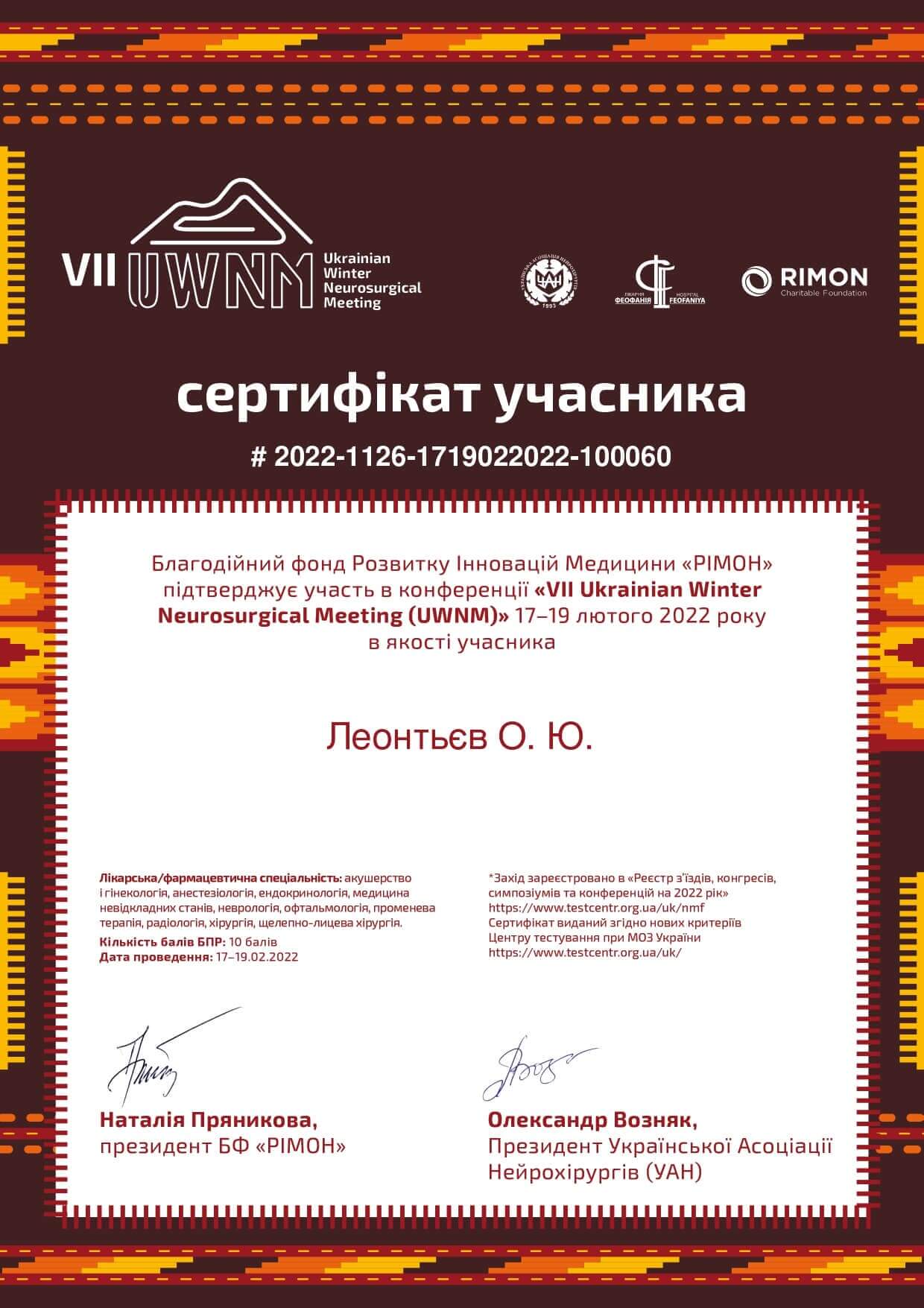
Qualifications and certificates

Leave a Comment