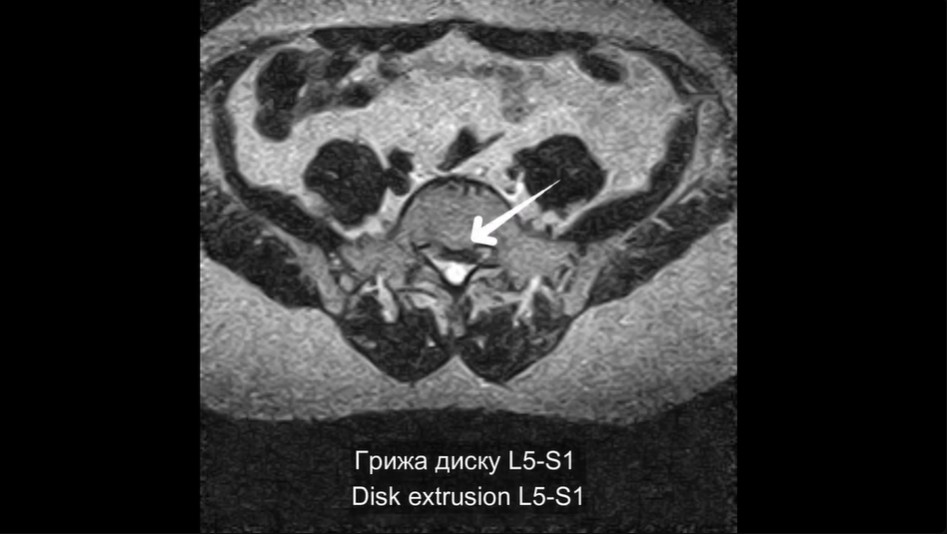
A young woman with severe pain in her spine and leg was referred to the neurosurgical department of the KNP TOKPL TOR. In addition, she was concerned about impaired sensitivity and weakness in the muscles of the foot. She had been treated for this for a long time, but the effect of the treatment was not much. The situation was complicated by the fact that she had one feature – the presence of a single transplanted kidney.
When a diagnosis becomes a sentence: a patient’s story
“As a result of a long illness, 13 years ago my kidneys failed and I was transplanted with my father’s kidney,” says the patient. “In that case, you can’t rush the treatment,” says the head of the neurosurgical department, Oleksiy Leontiev. “The operation itself is not complicated, but the use of drugs that are excreted by the kidneys is very limited.”
Another problem was that the only kidney is very sensitive to blood pressure, which anesthesiologists had to monitor during the operation. “Thorough preparation for the operation and constant monitoring throughout the operation were the key to success in performing anesthesia,” says Andriy Musienko, head of the anesthesia department of the KNP TOKPNL TOR. The anesthesia was performed successfully and safely.
The next problem was preventing infection. Administering large amounts of antibiotics is not advisable, and the girl was receiving immunosuppressive drugs – those that suppress the immune system to prevent kidney rejection. Therefore, her immunity was reduced and the risk of infection was high.
And finally, the woman has already visited several clinics, and was refused by all of them – “no one wanted to deal with a ‘complicated case’,” the patient says.
Microdiscectomy: the path to salvation
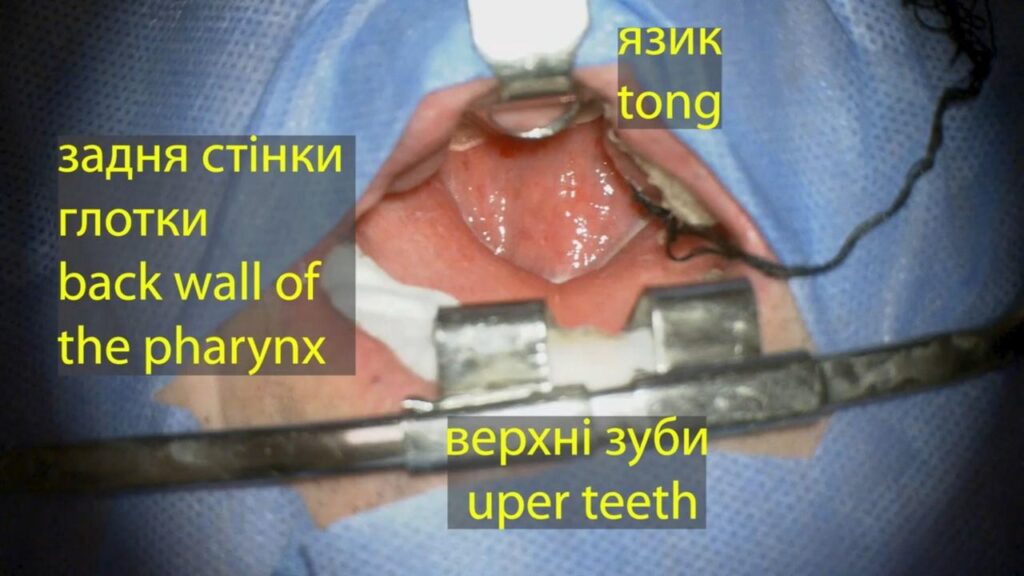
All team members prepared carefully for the operation. Various intervention options were considered and a microdiscectomy with “general” anesthesia using a minimally invasive technique was chosen .
This technique involves the use of thin tubes, which allow for minimally invasive, minimally traumatic, and safe removal of hernias without damaging the muscles and surrounding structures. “Practically, this is a one-day surgery, because in most cases, patients can be discharged in the evening of the same day,” says Oleksiy Leontiev .
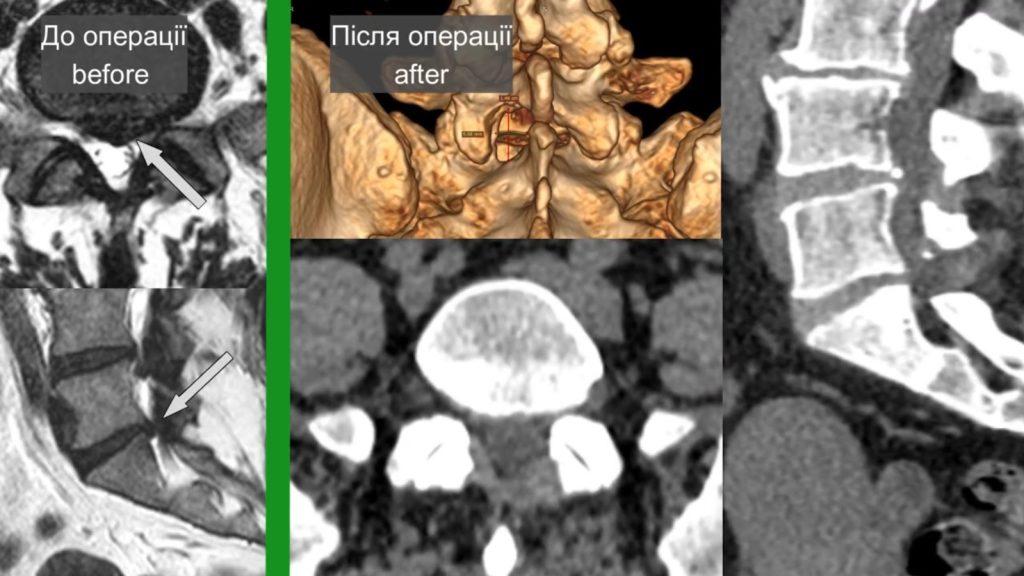
The operation was performed in 1 hour and on the 3rd day, with complete regression of pain and satisfactory condition, the patient was discharged home. A week later, a follow-up call to the patient: “I feel good, I can walk, the wound has healed.” These are the best words I could have heard.
The long-awaited recovery: the path to a normal life
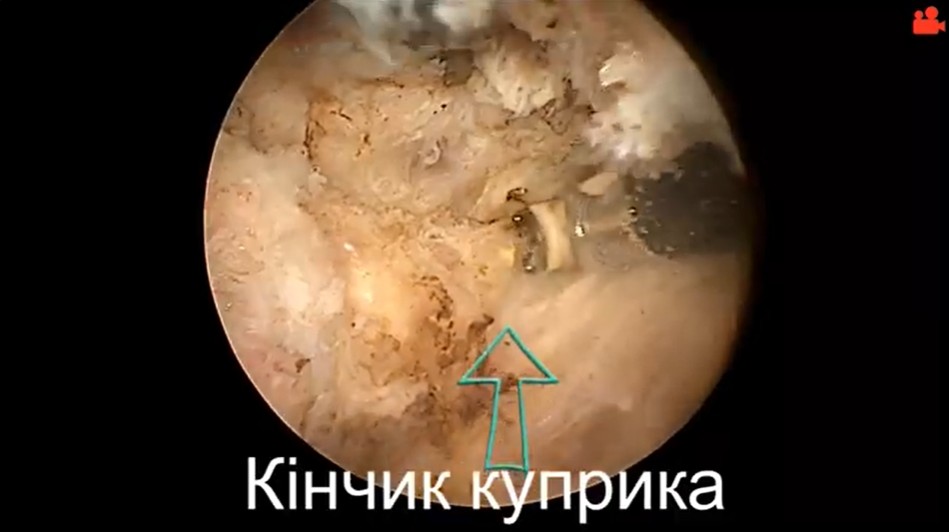
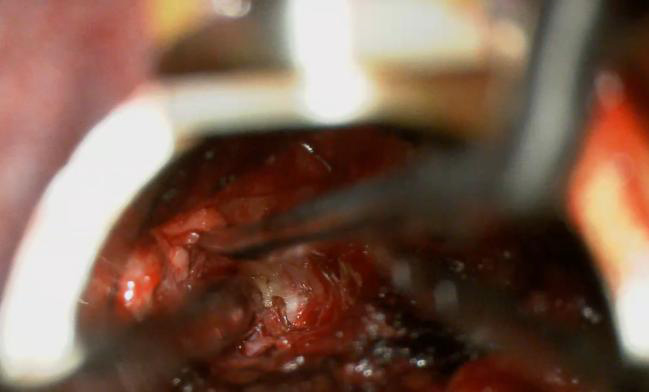
We have completed another difficult and interesting task together at the KNP TOKPNL TOR. We try not to give up on any cases and provide high-quality and safe care to our patients. The picture on the right shows what a herniated disc looks like in a tubular retractor under magnification in an operating microscope.
The patient was treated by V.S. Dmytruk, the surgeon was O.Yu. Leontiev, the anesthesiologist was A.M. Musienko, and the anesthesiologist was Yu. Galinyak.
Prepared by O. Leontiev.
https://leontiev-oleksii.com.ua/wp-content/uploads/2023/08/transplantovana-nirka-1.jpg