Value
Carpal tunnel syndrome belongs to the group of diseases called compression-ischemic neuropathies. It occurs when the median nerve, which passes through a narrow canal at the base of the palm, is compressed, with gradual progressive nerve dysfunction and pain and numbness in the hand.
Normally, the carpal tunnel is a space bounded by the bones of the wrist and a taut ligament. This canal contains the tendons of the flexors of the fingers, blood vessels, and the median nerve, which is the most vulnerable in this area.
The median nerve provides sensitivity to the palmar surface of fingers 1-4, and also innervates the small muscles of the base of the thumb.
Causes of occurrence
The most common cause of compression neuropathy is thickening of the tendon sheaths in the canal:
- with constant prolonged physical exertion on the hand,
- with vibration and strain of the hand related to professional activities in physical workers, athletes, typists, milkmaids, computer workers, musicians (frequent movements of the same type in the hand of varying intensity).
Factories
Factors contributing to the occurrence of carpal tunnel syndrome include traumatic injuries to the wrist, which cause swelling of the tendon sheaths. Hormonal disorders contribute to swelling in:
- pituitary dysfunction
- thyroid diseases,
- diabetes,
- obese.
Symptoms
Chronic inflammatory joint diseases, such as rheumatoid arthritis, contribute to the development of this condition. Pregnancy and menopause also predispose to swelling of connective tissue, joints, and tendons.
Women are three times more likely to suffer from carpal tunnel syndrome than men, due to the anatomically smaller carpal tunnel in women. When the nerve is compressed, it initially causes numbness, tingling, and a “crawling” sensation in the fingers, especially in the index and middle fingers.
Some patients experience a “swollen” or “waxy” sensation in their fingers. Over time, these symptoms worsen and are accompanied by pain of varying intensity.
A person with carpal tunnel syndrome often feels the urge to shake their hand or wrist. With prolonged compression of the nerve, its function gradually deteriorates, manifested by a decrease in tactile and temperature sensitivity in fingers 1-4, which makes it difficult to perform precise movements.
In severe cases, atrophy of the muscles of the first finger occurs with severe sensory impairment.
Diagnostics
If the above symptoms appear, you should consult a doctor for further examination, which may include:
- neurological examination,
- Ultrasound,
- X-ray of the hands,
- electrophysiological studies.
Particularly threatening symptoms are disruption of daily activities and sleep disturbances due to pain in the hands. Without treatment, this disease can lead to irreversible changes in the nerve with persistent impairment of hand function.
Surgical treatment
In the absence of effect from conservative treatment, when the first signs of neuropathy appear and its progression, surgical treatment is indicated.
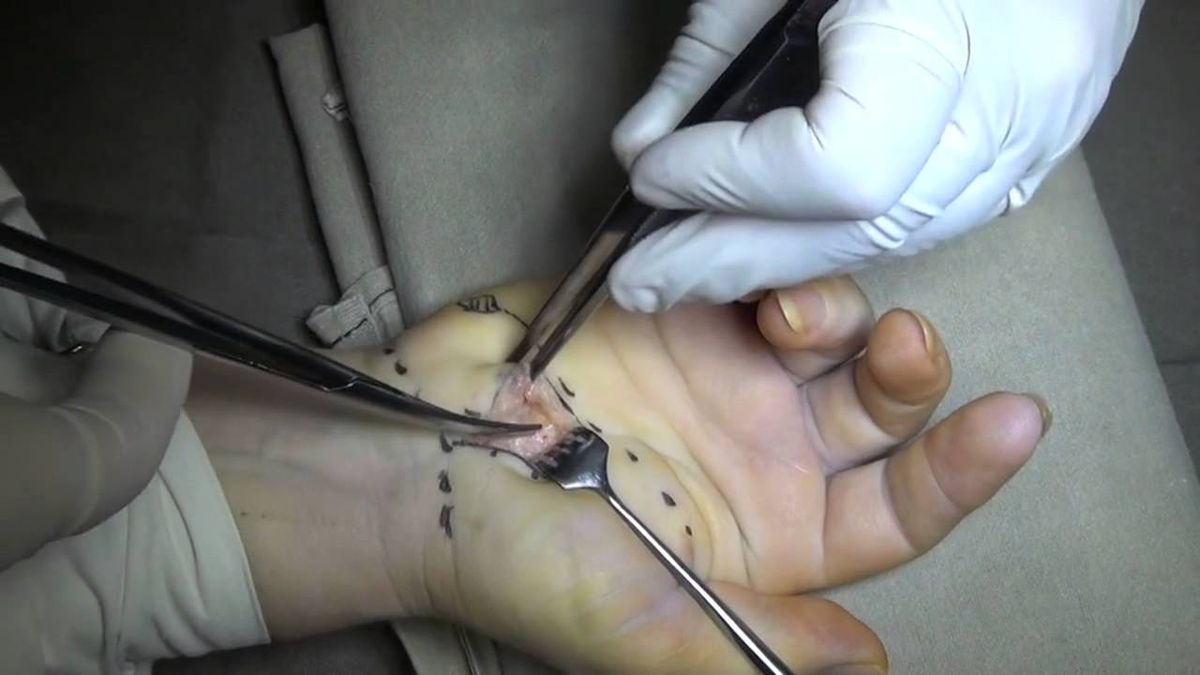
Carpal tunnel syndrome surgeries have been performed in our hospital for many years. The surgery is performed under local anesthesia using an operating microscope.
The essence of the operation is to open the ligament that limits the carpal tunnel, freeing the nerve from scars and compression.
After surgery, in advanced cases, there is usually significant improvement.