Indications for surgery
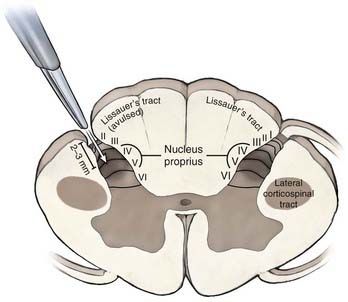
DREZ surgery ( from the English Dorsal Root Entry Zone destruction of the dorsal root entry zone ) is an effective operation for the treatment of chronic pain . After the operation, the pain is reduced or completely disappears, which is due to the blockage of nerve fiber conduction.
In 30-80% of cases, after treatment, the pain steadily decreases or completely regresses.
Types of pain
- Pain as a result of injuries ( spine and spinal cord injuries);
- Phantom pain (after limb amputation);
- Pain from inoperable tumors;
- Chronic pain of unknown origin;
- Pain due to peripheral nerve damage (most often with partial nerve damage – with causalgia);
- Pain associated with damage to the spinal cord roots (in degenerative diseases of the spine );
- Total duration of pain is at least 6 months;
- Pain intensity of 7 or more points on the VAS scale (pain is assessed on a scale of 1-10);
- Decreased quality of life and work capacity due to pain;
- Absence of mental illness;
- Ineffectiveness of other treatments:
Consequences
During the operation, the root zone at the entrance to the spinal cord is destroyed pointwise to a depth of several millimeters. After the operation, the pain is significantly reduced or disappears completely.
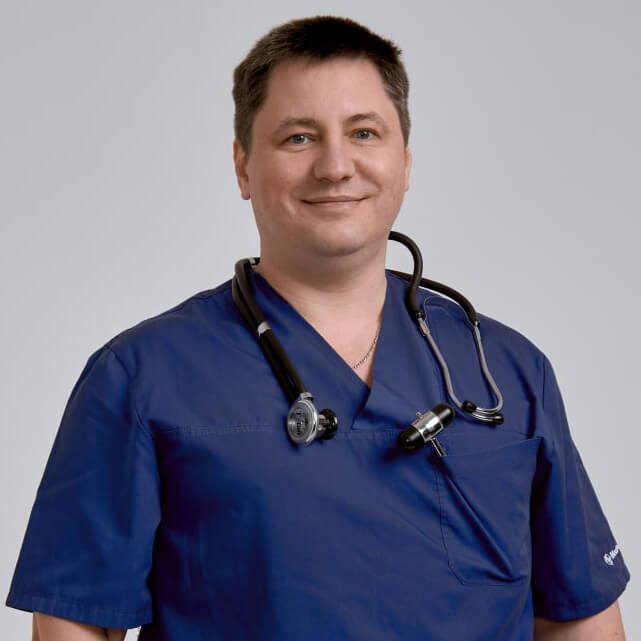
Leontiev Alexey
neurosurgeon of the highest category
The information provided in this article has been verified by neurosurgeon of the highest category Leontiev Alexey. It is of a general informational nature and does not replace specialist advice. For recommendations on diagnosis and treatment, a doctor's consultation is required.
Str. Troleybusna, 14, Ternopil
Mon-Fri: 8:30 - 17:30
Examination by a neurosurgeon is a key step in determining an accurate diagnosis and planning treatment for diseases of the brain and nervous system.
A professional neurosurgeon uses modern methods: MRI, CT, PET and others, which allow you to obtain detailed information about the structure and functions of the brain. Cognitive functions are also assessed.
The main goal is to detect pathology in a timely manner and begin effective treatment. The success of the recovery and the patient's quality of life in the future depend on this.
Neurosurgery is a complex field where surgical intervention requires millimeter precision. Any imprecise movement can lead to serious neurological disorders.
That is why the neurosurgical operating room must be perfectly adapted to the needs of the procedure. It ensures absolute sterility and protection against infections during open intervention.
Modern equipment systems help the surgeon work as efficiently as possible and guarantee the highest level of safety for both the patient and the medical team.
Popular destinations:
- Traumatic brain injuries
- Oncological diseases of the nervous system
- Vascular diseases of the brain and neck
- Pain syndromes in neurosurgery
- Headache
- Liquorice
- Isolated traumatic brain injury
- Consequences of neurosurgical diseases and injuries
- Combined traumatic brain injury
- Peripheral nervous system injury
- Hydrocephalus
- Developmental abnormalities
- Spine and spinal cord injuries
- Mononeuropathy
- Infectious lesions of the brain and spinal cord
- Degenerative-dystrophic diseases of the spine (DDDS)
Advantages
When you see a neurosurgeon, you can expect:
Proof of Qualifications
Haven’t found your diagnosis?
Make an appointment for a consultation — the doctor will determine a treatment plan