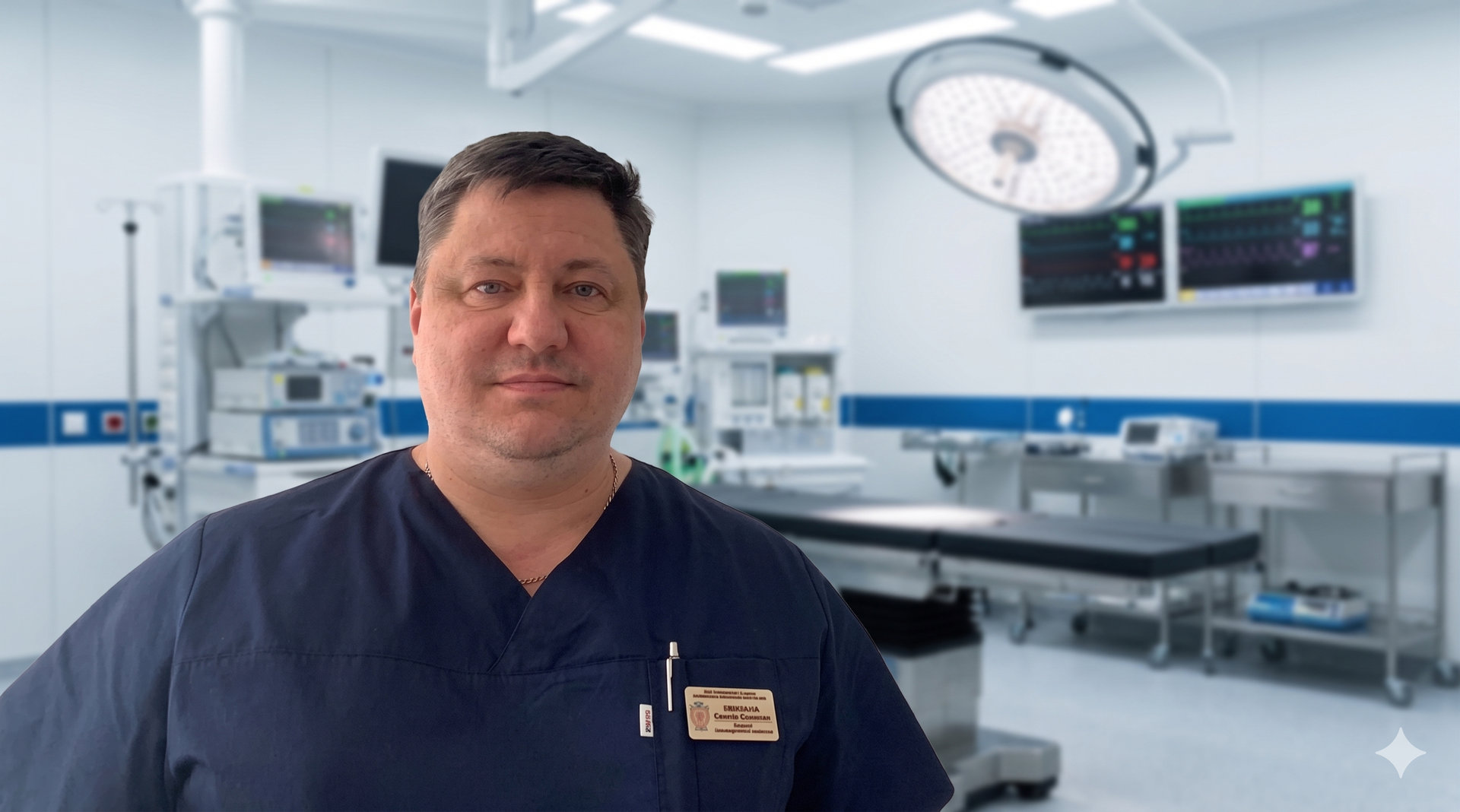
“Poglyad” completes the series of materials about neurosurgeon Oleksiy Leontiev , a doctor with over 20 years of experience, who today heads the neurosurgery department of the Ternopil Regional Psychoneurological Hospital, and before the full-scale war worked in Kherson.
In the first part, we talked about his path to the profession : childhood in a family of doctors, training in the difficult conditions of the 90s, first shifts without modern diagnostics and formation as a neurosurgeon. This was a period when clinical thinking was formed not on technology, but on experience, quick decisions and work “by touch”.
The second part is about Kherson during the occupation . About the hospital, which became a point of salvation for the wounded, about constant shelling, life between shifts and a home in danger, work without full access to resources, and the difficult decision to leave the city through the Antonivskyi Bridge, which was soon destroyed.
The third part is about a new stage in Ternopil . About how the doctor came to the department, which actually had to be formed from scratch, how a modern neurosurgical service is built, why the team is a key factor, and how management, clinical work, and the development of new areas are combined.
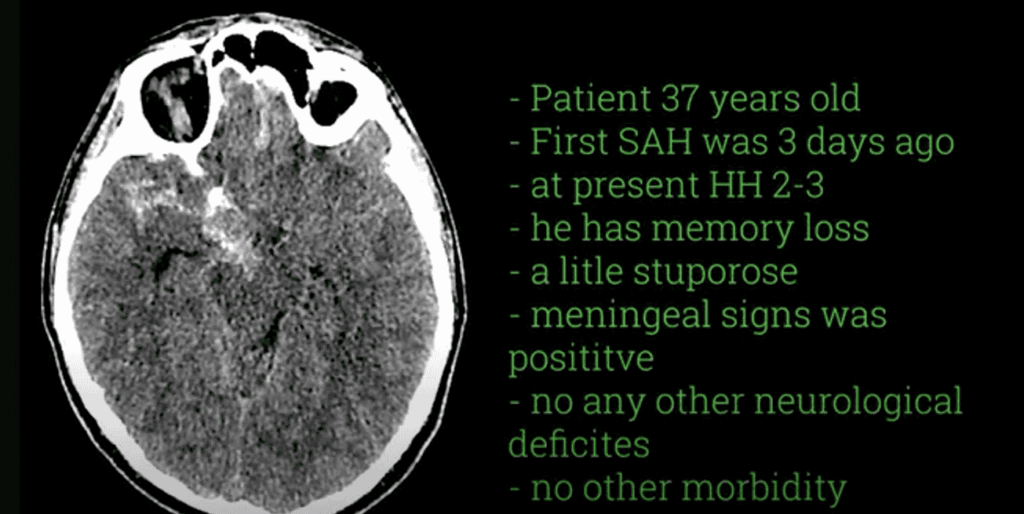
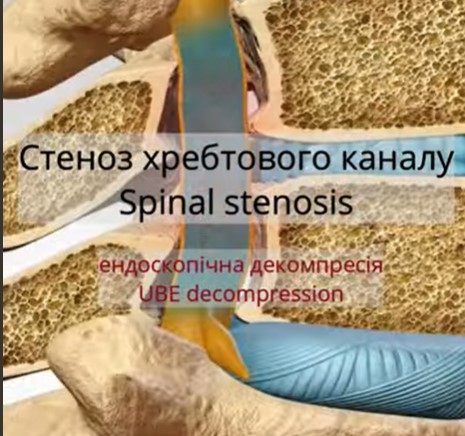
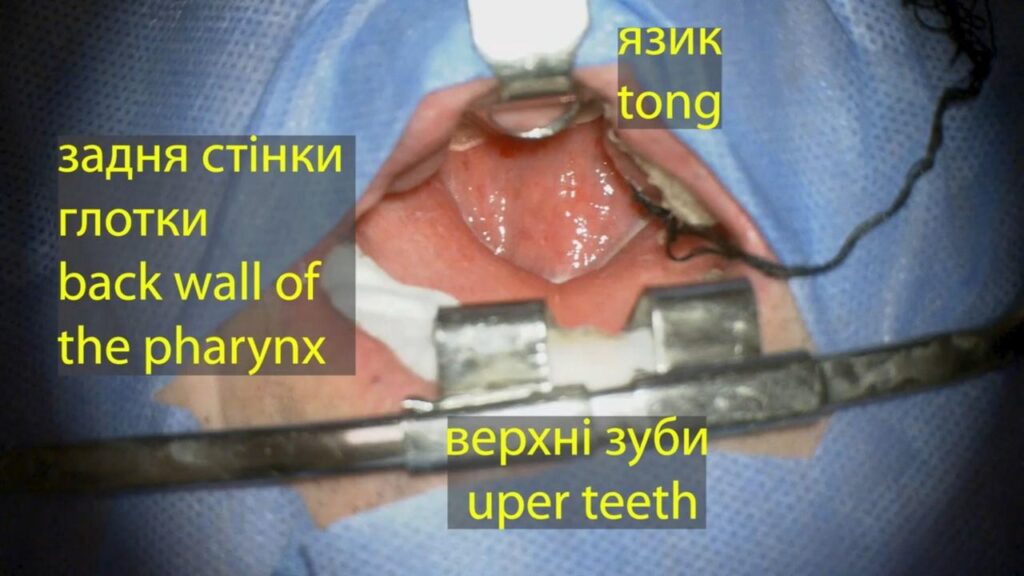
The fourth part is about modern neurosurgery during the war : the development of endoscopic and minimally invasive techniques, the treatment of complex wounds, unique clinical cases, new challenges for doctors, and the change in the very structure of patients due to the war.
This final piece completes the cycle — through the doctor’s personal answers about the profession, responsibility, and motivation.
— What does “successful doctor” mean to you?
— Firstly, this is a doctor who has a high number of successful operations, who is known, valued, and respected.
This is very clearly visible through people — through their reviews, through “word of mouth.” People pass on information among themselves, advising whom to go to.
Secondly, this is a doctor who shares his experience. We see such doctors at conferences – they show the results, talk about them, and this gives others an opportunity to learn.
And one more point. I believe that a doctor should be well-off. There is an idea, it seems, dating back to Avicenna, that a doctor should be well-fed, well-dressed, so that he doesn’t think about survival, but about his patients.
But now the situation is difficult. Funding is limited, salaries are low. I have an IDP family, I rent housing, and this is also the reality in which we work.
— How do you cope with the responsibility for a patient’s life?
— This is a very difficult question. Sometimes it is very difficult.
Even when you do everything right, the result may not be what you expected. And these situations stay with you.
It’s like scars—they accumulate and remain.
We cannot take into account all the factors. But with experience, such cases become fewer. Although it is still not easy to accept.
— What motivates you to work for over 20 years?
— The fact that significantly more people are receiving help and recovering.
It happens very often: you walk around the city and people recognize you and thank you.
Or you come to some institution and people say, “You operated on my husband” or “You helped our family.”
And that’s very nice. That’s probably the main motivation.
Source https://poglyad.te.ua/personaliyi/lyudy-yaki-oduzhuyut-golovna-motyvatsiya-nejrohirurga-oleksiya-leontyeva.html