Article content

Signs

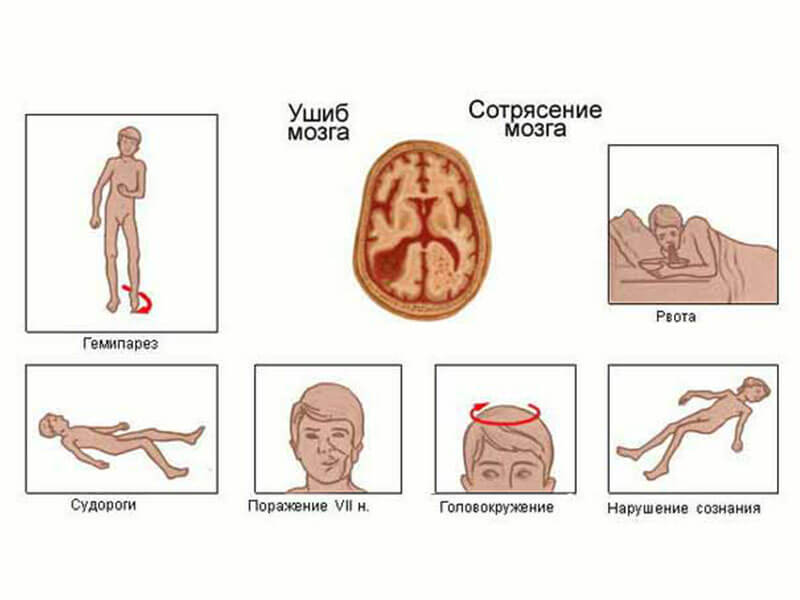
An epidural hematoma is a hemorrhage that forms between the dura mater and the bones of the skull, and is most often the result of a traumatic brain injury. If the patient is available for verbal contact, the first complaints will be a headache that increases, and may later be accompanied by vomiting.

Light gap

One of the main signs of epidural hemorrhage is the so-called lucid interval, a period of time lasting from 30 minutes to several hours, characterized by loss of consciousness followed by complete recovery.

Other complaints that a patient may have are:

  • dizziness,
  • general weakness,
  • memory impairment.

After the end of the above-mentioned light interval , the patient’s condition deteriorates sharply – the headache intensifies , nausea and vomiting appear, clear consciousness is progressively replaced by a disorder of consciousness up to a coma with:

  • decrease or increase in pulse,
  • increased blood pressure,
  • pupil dilation on the side of the hematoma,
  • weakness in the limbs on the side opposite the hematoma.

After coma occurs, severe disorders of vital functions occur.

Epidural hematomas 5 Тернопіль

Erased light period

Sometimes an epidural hematoma occurs with an erased lucid period, that is, after the injury there is a deep disturbance of consciousness up to a coma, then after a few hours the coma changes to a stupor, in which even verbal contact with the patient is possible. This state can last from an hour to a day. Then again, a decrease in the level of consciousness to a coma with a violation of the body’s vital functions can be observed.

No light period

Epidural hematomas without a clear period are less common. This occurs in severe head injuries with damage to the brain substance. Coma occurs immediately after the injury and is not accompanied by an increase in the level of consciousness.

Diagnostics

Computed tomography (CT) is the main diagnostic method that allows for the most accurate diagnosis of this pathology, which in the images will have the shape of a biconvex lens.

Treatment

The Neurosurgical Department in Ternopil provides emergency neurosurgical care to patients with epidural hematomas.

Conservative treatment is carried out in cases where the hematoma is not accompanied by the development of neurological symptoms, without signs of brain compression and dislocation of the median structures. In this case, patients are under constant dynamic monitoring with determination of the volume of the hematoma according to CT data, control of blood pressure and saturation. When neurological symptoms develop, a decrease in the level of consciousness occurs, there are data on compression and dislocation of the median structures of the brain, urgent neurosurgical intervention is performed with trepanation of the skull and removal of the epidural hematoma with stopping the bleeding. Upon completion, the removed bone flap can either be installed in place of the bone defect, or hemmed into the subcutaneous fat of the anterior abdominal wall (after stabilization of the condition, plastic surgery of the defect is performed with the preserved bone flap).
Epidural hematomas 7 Тернопіль

Forecast

Mortality in this pathology is up to 40%, and surviving patients often have neurological deficits.

Rehabilitation

After surgery, patients receive a course of rehabilitation treatment :

  • therapeutic exercise,
  • massage,
  • electrical stimulation of limb muscles.
The article is written: 27.05.2020

The article has been reviewed by a medical professional: 09.06.2026

The author of the article: Леонтьєв Олексій

If you need treatment from a neurosurgeon in Ternopil, you should follow these steps:

  1. Contact your family doctor or specialist who can recommend a neurosurgeon in Ternopil.
  2. Contact the nearest medical facility to receive a referral for a consultation with a neurosurgeon in Ternopil.
  3. Make an appointment for a consultation with your chosen neurosurgeon in Ternopil. You can do this through the contact center of the medical institution, using the online appointment form on the hospital website, or directly contact the reception.
  4. Prepare all necessary medical documentation, including test results, X-rays, and other tests. This will help the doctor better understand your condition and prescribe the necessary treatment.
  5. During your consultation, your neurosurgeon will review your medical records, perform additional tests, and prescribe treatment based on your diagnosis. They will also give you advice on how to care for yourself during your treatment.

In Ternopil, there are several options where you can get help:

1. Ternopil Regional Clinical Hospital:

  • It has a neurosurgery department where qualified specialists can diagnose and treat developmental abnormalities of the nervous system.
  • The head of the neurosurgery department is Oleksiy Oleksandrovych Leontiev, an experienced neurosurgeon who has successfully performed many operations to treat developmental anomalies.
  • Contact information:

2. Private medical institutions:

  • There are also several private medical institutions in Ternopil that offer services for the diagnosis and treatment of developmental anomalies.
  • It is recommended to read reviews about these institutions and compare their prices before making a final choice.

Importantly:

  • Before contacting any medical facility, it is recommended to consult with your family doctor.
  • You must have all necessary medical documents with you, such as an outpatient card, test results, and examinations.
Leontiev Alexey — neurosurgeon
Article reviewed by a medical professional

Leontiev Alexey

neurosurgeon of the highest category

The information provided in this article has been verified by neurosurgeon of the highest category Leontiev Alexey. It is of a general informational nature and does not replace specialist advice. For recommendations on diagnosis and treatment, a doctor's consultation is required.

Address

Str. Troleybusna, 14, Ternopil

Reception hours

Mon-Fri: 8:30 - 17:30

The Importance of a Specialist Examination

Examination by a neurosurgeon is a key step in determining an accurate diagnosis and planning treatment for diseases of the brain and nervous system.

A professional neurosurgeon uses modern methods: MRI, CT, PET and others, which allow you to obtain detailed information about the structure and functions of the brain. Cognitive functions are also assessed.

The main goal is to detect pathology in a timely manner and begin effective treatment. The success of the recovery and the patient's quality of life in the future depend on this.

Professional equipment for neurosurgery

Neurosurgery is a complex field where surgical intervention requires millimeter precision. Any imprecise movement can lead to serious neurological disorders.

That is why the neurosurgical operating room must be perfectly adapted to the needs of the procedure. It ensures absolute sterility and protection against infections during open intervention.

Modern equipment systems help the surgeon work as efficiently as possible and guarantee the highest level of safety for both the patient and the medical team.

Advantages

When you see a neurosurgeon, you can expect:

Skill in performing complex surgical operations on the brain and spinal cord, as well as on the nerves.
Caring for your patients, providing them with the most comfortable course of treatment.
Knowledge of the latest technologies and treatment methods, which are constantly being improved.
Neurosurgery gives a chance for a new life!

Proof of Qualifications

Haven’t found your diagnosis?

Make an appointment for a consultation — the doctor will determine a treatment plan

Leave a Reply

Your email address will not be published. Required fields are marked *

  • Rating