Medical rehabilitation
Medical rehabilitation is a multifaceted, difficult process, the main goal of which is to restore or compensate for lost functions of the human body that have arisen as a result of various diseases of the central or peripheral nervous system.
Activities
Rehabilitation is not only restoring the body through medical procedures, it is:
- an indispensable (condition) part of it is psychological,
- as well as social measures that help a person fully return to society,
- or adequately adapt to persistent disability that occurs with irreversible impairment of physiological functions.
All of these measures, to some extent, enable a person to return to their practical or professional activities.
Basic principles
- Early initiation of resumption of treatment,
- Duration and continuity,
- The use of various types of compensatory and restorative treatment.
Only with the consistent implementation of the principles described above is the rehabilitation treatment system effective.
Importantly
For successful rehabilitation, you need to:
- Assess the patient’s general condition, identify concomitant diseases;
- Analyze the possibility of complete restoration of lost functions,
- Determine the nature and extent of the neurological defect.
When choosing methods of restorative and compensatory treatment, at each stage it is necessary to determine the clinical course of a particular neurosurgical disease .
Treatment methods
The neurosurgical department provides rehabilitation treatment for patients after surgical interventions, which includes:
- drug treatment,
- therapeutic exercise,
- massage,
- physiotherapy treatment.
Drug treatment
The appointment of various groups of drugs with which it is possible to restore lost functions to a certain extent in various neurosurgical diseases. The main groups of drugs are
- nootropic drugs – a group of drugs that help stimulate brain activity in cases of strokes and traumatic brain injuries
- metabolic drugs – help normalize metabolism in neurons and cartilage tissue
- Muscle relaxants – drugs that reduce muscle tone in spastic paralysis that occurs with various diseases of the CNS.
For chronic pain syndromes, the so-called “triple” therapy is prescribed, which includes:
- nonsteroidal anti-inflammatory drugs,
- antidepressant drugs,
- as well as drugs to reduce persistent neuropathic pain .
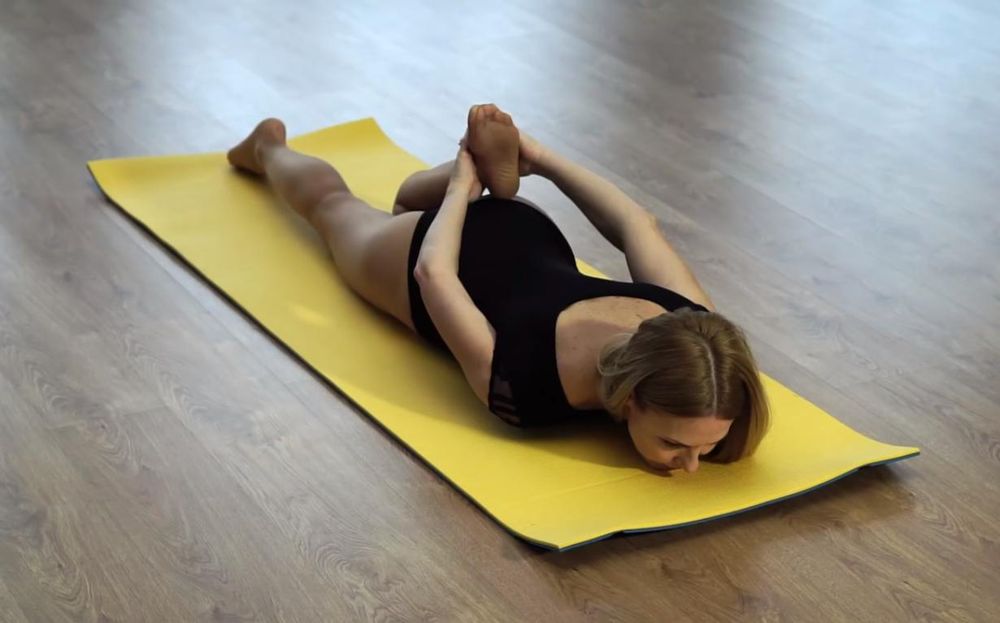
Therapeutic physical education
This is a huge complex of various exercises and methods for patient recovery. The main methods used in standard rehabilitation are:
- Early activation (verticalization) of patients, i.e. early lifting of a person to his feet, and teaching him to move independently. This technique is very useful, because it reduces the likelihood of various complications, such as thromboembolism, trophic ulcers (bedsores), the development of contractures in the joints, congestive pneumonia. It should also be noted that this technique is useful, because it normalizes the act of urination and defecation;
- Massage, from standard methods to general strengthening and segmental-reflex;
- Kinesio taping;
- Acupuncture.
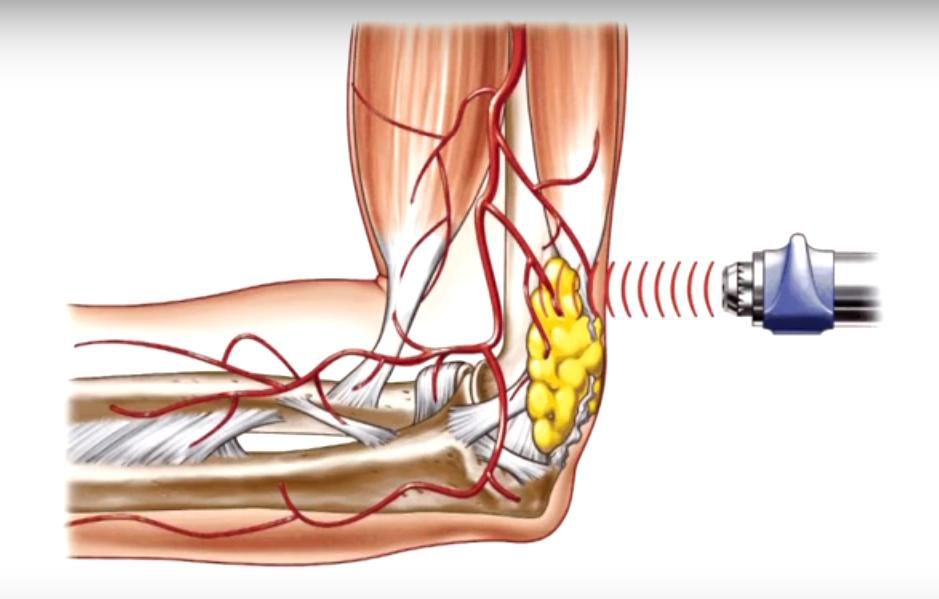
Physiotherapy treatment
is an important stage of neurorehabilitation, the essence of which is the use of various physiotherapeutic techniques, such as:
- magnetotherapy
- electrical stimulation
- hyperbaric oxygenation
- UHF
- amplipulse
- electro- and phonophoresis with medications.
- paravertebral or epidural transforaminal therapeutic blocks.
Results
- restoration of motor and speech disorders,
- restoration of pelvic organ functions,
- developing the correct motor stereotype and activity regimen,
- improvement of psychological status.