Mononeuropathy is damage to a single peripheral nerve (such as the ulnar or radial) due to compression, injury, or infection, causing numbness, pain, and muscle weakness in a specific area. Treatment involves removing the cause of the compression (nerve decompression) or drug therapy to restore normal nerve function.
Gunshot wounds are divided into two types, depending on the object of the wound:
ball;
fragmentary.
Varieties from damaged structure
In addition, injuries, depending on the damaged structure of the human body, are distinguished:
direct soft tissue injury;
injury accompanied by damage to the bone base;
damaged large vessels and nerves;
Penetrating wound with significant organ damage.
Combined injuries
And a separate category includes combined injuries that develop as a result of injuries inflicted by different types of weapons, for example, gunshot wounds and radiation.
How to get treatment according to the method weapon wounds in Ternopil?
To get treatment, leave a request on the website via the “Make an appointment” button or call. The initial appointment is held at: Ternopil city, st. Trolleybusna, 14.
Patients’ procedure:
Make an appointment: Fill out an application on the website or call the reception.
Prepare documents: Bring your existing medical records and images (MRI/CT).
Consultation: The neurosurgeon will conduct an examination, study the images, and determine the indications for the procedure.
Where is weapon wounds performed in Ternopil?
Admission and procedure are carried out on the basis of a specialized department:
Institution: KNP “TOKPL” TOR (Neurosurgical Department).
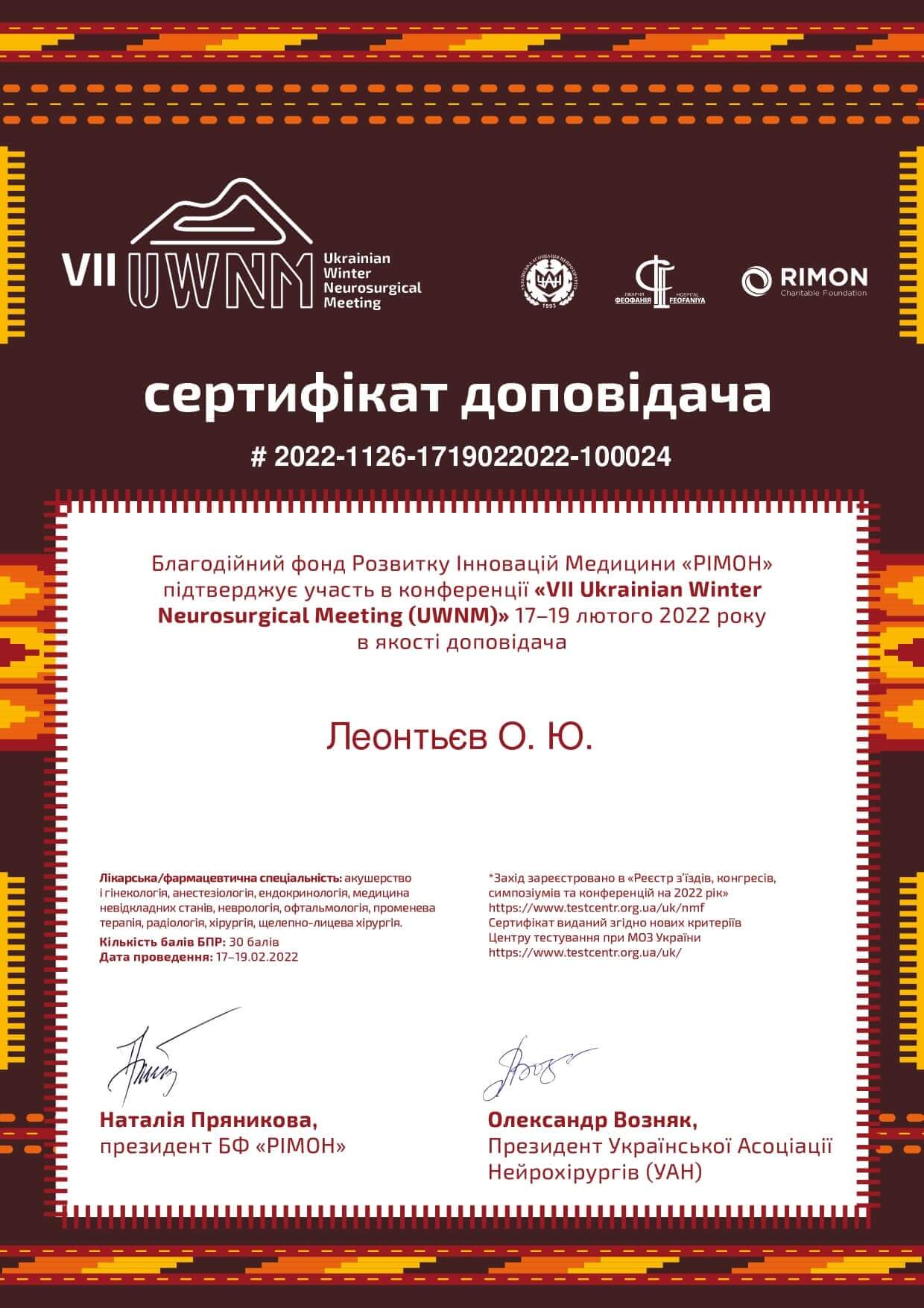
Doctor: Leontiev Oleksiy Oleksandrovych – Head of the Department, Candidate of Medical Sciences.
Address: Ternopil, 14 Troleybusna Street.
Phone appointment: (073) 486 18 85
The article was reviewed by a medical specialist
Leontiev Alexey
neurosurgeon of the highest category
The information provided in this article, checked by a neurosurgeon of the highest category, Leontiev Alexey. It is of a general informational nature and does not replace the consultation of a specialist. For recommendations on diagnosis and treatment, a doctor's consultation is required.
Treatment planning is based on high-precision MRI, CT, and EEG images, which allows for a detailed assessment of the state of nervous structures even before the procedure begins.
Safety and Sterility Standards
Minimally invasive interventions are performed in the operating room in compliance with absolute sterility and under continuous X-ray or ultrasound control.