Vidi

  • Injuries to the soft tissues surrounding the spine,
  • non-penetrating wounds,
  • penetrating blind wounds,
  • penetrating through wounds.

Clinic

The clinical picture will vary depending on the type of injury. Complaints also vary depending on the weapon used, as well as:

  • like a splinter that wounded,
  • from the localization and spread of the lesion,
  • the type of entrance canal and from concomitant spinal lesions.

Signs

  • Impairment or inability to move below the level of injury,
  • impaired sensitivity below the level of injury,
  • dysfunction of the pelvic organs.

Diagnostics

Radiography – allows you to determine:

  • instrument,
  • condition of bone structures,
  • the number and size of metal foreign bodies.

The leading diagnostic method is multislice computed tomography. With MSCT, you can carefully analyze:

  • condition of the bone structures of the spine,
  • spinal cord condition,
  • determine the presence/absence of hematomas and foreign bodies,
  • determine the degree of spinal cord compression,
  • determine the number of foreign objects,
  • also allows you to determine the type of injury (soft tissue injury, penetrating wounds, non-penetrating wounds),
  • conduct dynamic observation.

Given that most of the striking elements are metal, MRI is contraindicated in this type of injury. MRI can only be performed after all metal fragments have been removed.

Surgical treatment

Penetrating wounds are performed under general anesthesia. When the spinal cord is compressed by bone fragments, foreign bodies, or hematoma, the first stage is to decompress (release) the spinal cord from factors compromising it, and all foreign objects are removed, if possible.

Further, if necessary, a stabilizing operation is performed.

The neurosurgical department performs all types of reconstructive and stabilizing operations for spinal injuries .

Neurosurgeons Nazarenko O.S. and Dmytruk V.S.
The article is written: 22.01.2026

The article has been reviewed by a medical professional: 23.01.2026

The author of the article: Леонтьєв Олексій

If you need treatment from a neurosurgeon in Ternopil, you should follow these steps:

  1. Contact your family doctor or specialist who can recommend a neurosurgeon in Ternopil.
  2. Contact the nearest medical facility to receive a referral for a consultation with a neurosurgeon in Ternopil.
  3. Make an appointment for a consultation with your chosen neurosurgeon in Ternopil. You can do this through the contact center of the medical institution, using the online appointment form on the hospital website, or directly contact the reception.
  4. Prepare all necessary medical documentation, including test results, X-rays, and other tests. This will help the doctor better understand your condition and prescribe the necessary treatment.
  5. During your consultation, your neurosurgeon will review your medical records, perform additional tests, and prescribe treatment based on your diagnosis. They will also give you advice on how to care for yourself during your treatment.

In Ternopil, there are several options where you can get help:

1. Ternopil Regional Clinical Hospital:

  • It has a neurosurgery department where qualified specialists can diagnose and treat developmental abnormalities of the nervous system.
  • The head of the neurosurgery department is Oleksiy Oleksandrovych Leontiev, an experienced neurosurgeon who has successfully performed many operations to treat developmental anomalies.
  • Contact information:

2. Private medical institutions:

  • There are also several private medical institutions in Ternopil that offer services for the diagnosis and treatment of developmental anomalies.
  • It is recommended to read reviews about these institutions and compare their prices before making a final choice.

Importantly:

  • Before contacting any medical facility, it is recommended to consult with your family doctor.
  • You must have all necessary medical documents with you, such as an outpatient card, test results, and examinations.
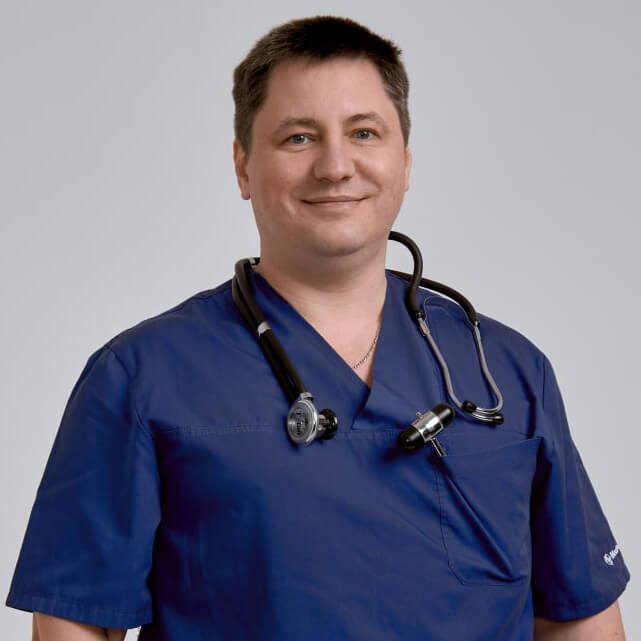
Leontiev Alexey — neurosurgeon
Article reviewed by a medical professional

Leontiev Alexey

neurosurgeon of the highest category

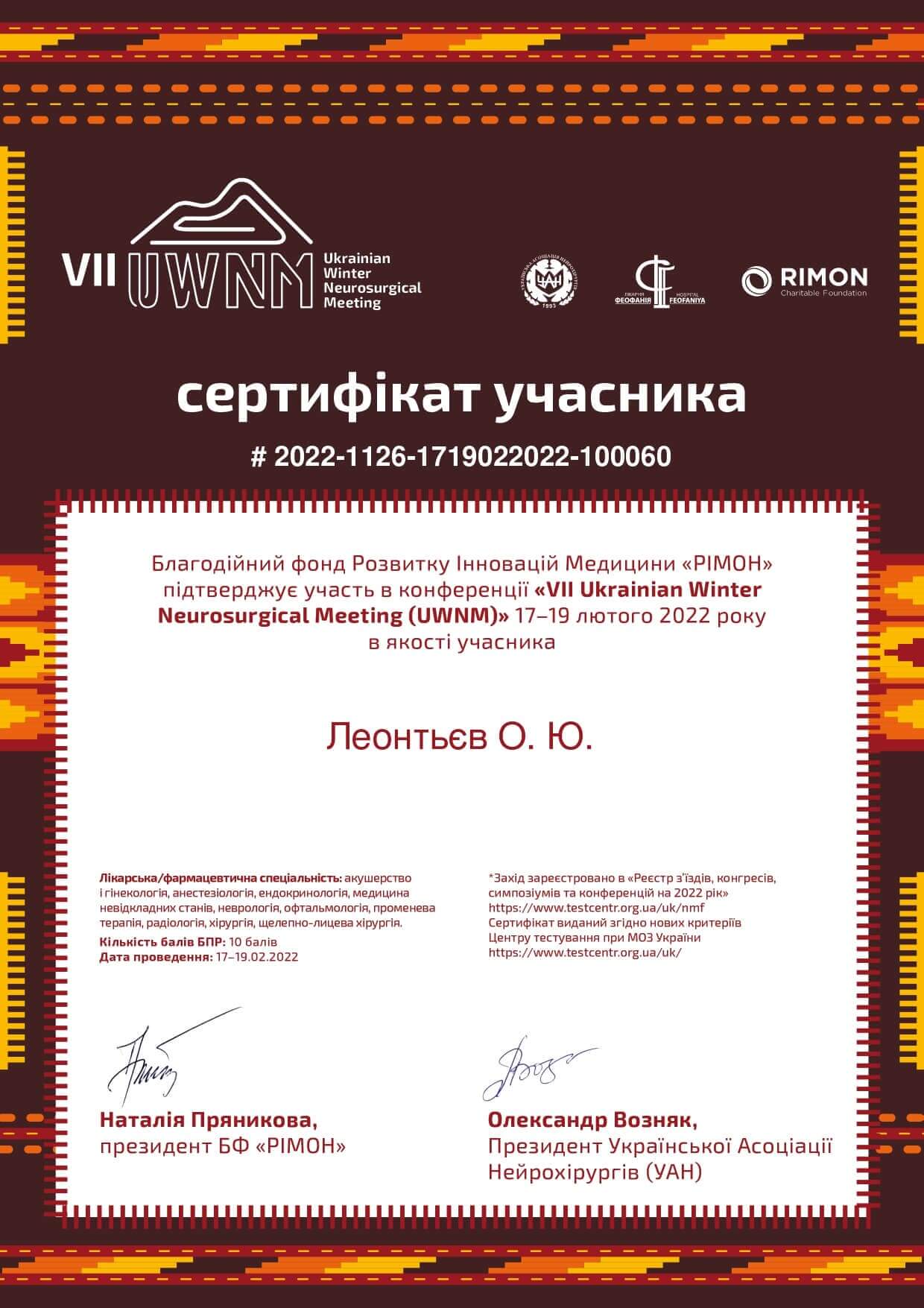
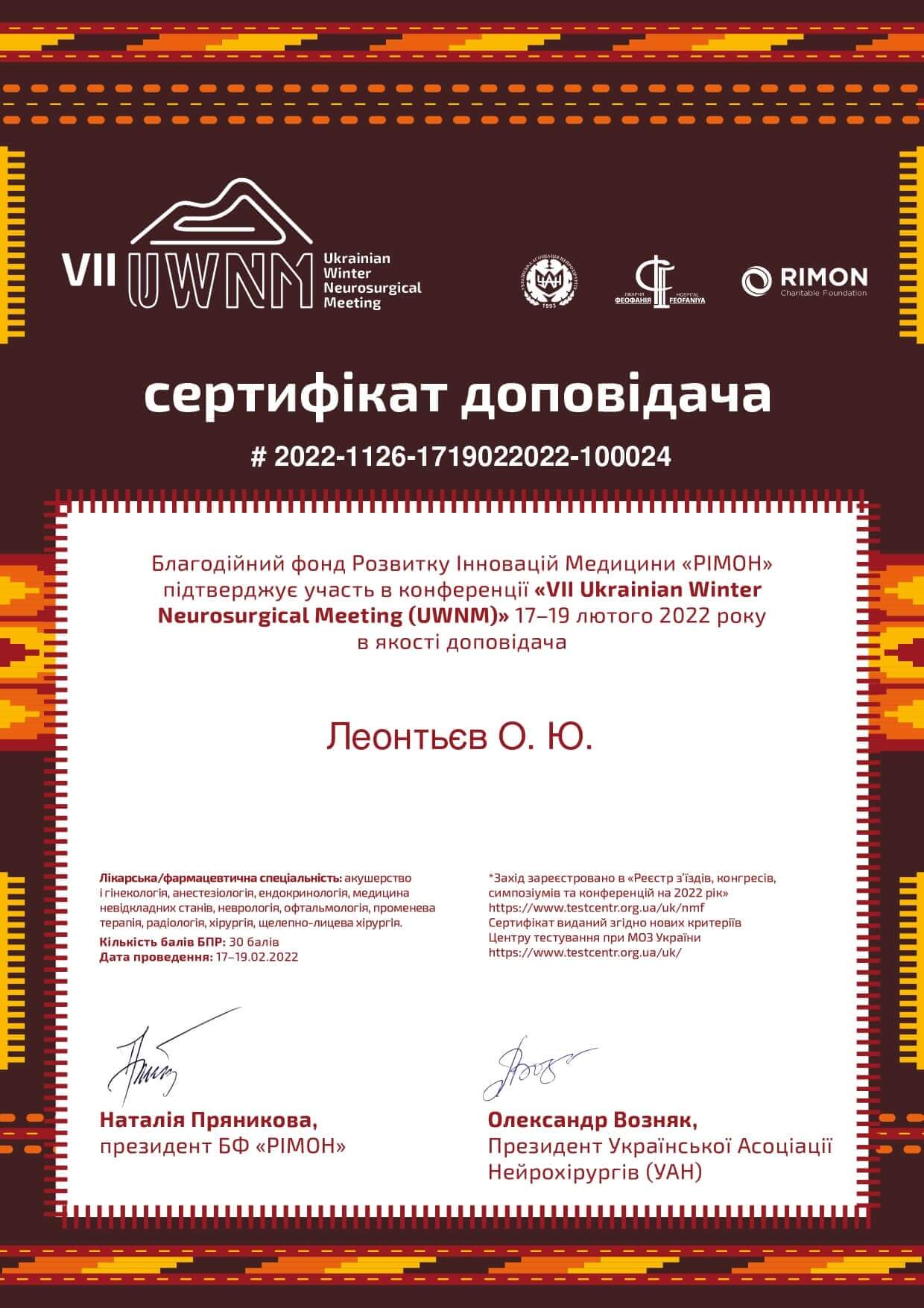
The information provided in this article has been verified by neurosurgeon of the highest category Leontiev Alexey. It is of a general informational nature and does not replace specialist advice. For recommendations on diagnosis and treatment, a doctor's consultation is required.

Address

Str. Troleybusna, 14, Ternopil

Reception hours

Mon-Fri: 8:30 - 17:30

The Importance of a Specialist Examination

Examination by a neurosurgeon is a key step in determining an accurate diagnosis and planning treatment for diseases of the brain and nervous system.

A professional neurosurgeon uses modern methods: MRI, CT, PET and others, which allow you to obtain detailed information about the structure and functions of the brain. Cognitive functions are also assessed.

The main goal is to detect pathology in a timely manner and begin effective treatment. The success of the recovery and the patient's quality of life in the future depend on this.

Professional equipment for neurosurgery

Neurosurgery is a complex field where surgical intervention requires millimeter precision. Any imprecise movement can lead to serious neurological disorders.

That is why the neurosurgical operating room must be perfectly adapted to the needs of the procedure. It ensures absolute sterility and protection against infections during open intervention.

Modern equipment systems help the surgeon work as efficiently as possible and guarantee the highest level of safety for both the patient and the medical team.

Advantages

When you see a neurosurgeon, you can expect:

Skill in performing complex surgical operations on the brain and spinal cord, as well as on the nerves.
Caring for your patients, providing them with the most comfortable course of treatment.
Knowledge of the latest technologies and treatment methods, which are constantly being improved.
Neurosurgery gives a chance for a new life!

Proof of Qualifications

Haven’t found your diagnosis?

Make an appointment for a consultation — the doctor will determine a treatment plan

Leave a Reply

Your email address will not be published. Required fields are marked *

  • Rating
Так, лікар-нейрохірург може допомогти з Weapon wounds to the spine. Однак оптимальне лікування залежить від розміру, типу та місцезнаходження проблеми, а також від загального стану пацієнта.
Вартість Weapon wounds to the spine будуть оголошені після первинної консультації та аналізів.
З питання Weapon wounds to the spine у Тернополі можна звернутися за адресою проспект Степана Бандери, 96 до відділення нейрохірургії до лікаря Леонтьєва Олексія.

Часті питання, які можуть виникнути у пацієнтів перед візитом до нейрохірурга, можуть включати:

  • Які симптоми повинні змусити мене звернутися до нейрохірурга?
  • Які діагностичні процедури виконуються перед хірургічним втручанням?
  • Які можливі ризики та ускладнення пов’язані з операцією?
  • Якою буде тривалість відновлювального періоду після операції?
  • Які можливості для лікування є, крім хірургічного втручання?
  • Які дієтичні та режимні рекомендації слід дотримуватись після операції?
  • Як можна зменшити ризик повторного виникнення патології після операції?
  • Які показники ефективності хірургічного лікування та які шанси на повне одужання?

Звісно, ​​конкретні питання залежатимуть від хвороби чи стану пацієнта. Нейрохірург обговорить з пацієнтом усі деталі операції, діагностики та післяопераційного догляду та відповість на будь-які додаткові питання пацієнта.