
Brachial plexus injury
Brachial plexitis is a neurological disease characterized by inflammation of the nerves of the brachial plexus, which leads to specific clinical manifestations. It is a peculiar form of radiculopathy, which simultaneously covers several nerve trunks responsible for the innervation of the upper limb. The main symptoms of brachial plexitis are impaired motor and sensory functions of the arm, as well as intense pain. Patients may complain of weakness, decreased sensitivity, and sometimes partial loss of motor activity of the arm, which significantly affects the patient’s quality of life.
The most severe diseases of the peripheral nervous system include damage to the nerve plexuses.
Most often, trauma occurs as a result of direct impact (knife, gunshot wounds ), as a result of sudden tension on the nerves of the plexus (so-called traction injuries), or with prolonged compression of the nerves of the plexus.
Causes of manifestation
Patients with plexus injuries are concerned about weakness or lack of movement, numbness or impaired sensitivity in the affected limb. An experienced neurosurgeon can make a diagnosis based on complaints, which can be confirmed by performing an ultrasound of the plexus and electroneurography. Sometimes an MRI may be required.
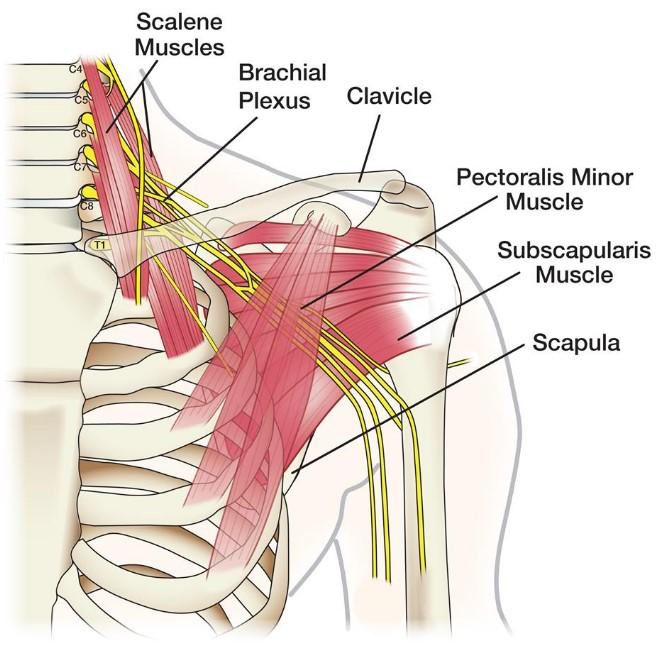
Causes that can lead to the development of brachial plexitis:
- Displacement of the vertebrae in the cervical and upper thoracic spine. This irritates the nerve roots that form the cervical and brachial plexuses, causing inflammation and the development of plexitis.
- Protrusions or intervertebral hernias of the cervical spine. They cause compression of the nerve roots and trigger the inflammatory process.
Osteochondrosis and its complications. Degenerative changes in the spine lead to irritation or compression of the nerves, which can cause plexitis. - Shoulder osteoarthritis. Degenerative changes in the joint can affect nearby nerves, causing inflammation of the brachial plexus.
- Shoulder joint injuries with clavicle fractures. Plexitis develops due to direct damage to the nerves or due to their compression by bone fragments.
- Birth injuries. Improper delivery can injure the baby’s shoulder and nerve plexus.
- Uncomfortable or forced body position. Prolonged nerve injury from using crutches or other mechanical influences can cause plexitis.
- Excessive physical stress on the shoulder girdle, especially with dislocations or tissue tears, can damage the nerves and cause plexitis.
- Occupational diseases. Plexitis can be associated with work that causes constant vibration, such as using jackhammers or perforators.
- Complications after infections. Bacterial and viral infections can cause inflammation in the nerve plexus.
- Compression of the plexus by tumors. Tumors in the brachial plexus area can compress nerves, causing plexitis.
Understanding these factors is important for timely diagnosis and prevention of the disease.
Symptoms of shoulder injury
Symptoms depend on its cause, the degree of damage and the stage of development of the disease. Sometimes the pathology begins acutely with a pronounced clinical picture, and sometimes it has a slow course with a gradual increase in symptoms. According to the course of the disease, two main phases are distinguished: neurological and paralytic .
Main symptoms:
- Shoulder pain that worsens with joint movement. Palpation reveals tenderness in the subclavian and supraclavicular areas.
- Pulling pain in the neck and back of the head , which worsens when tilting or turning the head.
- Pain in the elbow , which may spread throughout the arm.
- Tension of the shoulder girdle muscles during the acute period of the disease.
- Sensory disturbances : sensation of “ants crawling”, numbness of the fingers.
- Muscle weakness and atrophy in the shoulder, forearm, and hand, which occurs in the paralytic stage due to impaired trophic function of the nerves.
- Trophic changes in the skin : swelling of the hand, trophic ulcers, development of algodystrophic syndrome (Sudeck’s syndrome), characterized by sharp pain and degenerative tissue changes.
If these symptoms appear, it is important to consult a doctor for early diagnosis and initiation of treatment, as a prolonged course of the disease can lead to permanent impairment of hand function.
If there is damage to the plexus, the patient is offered surgical intervention, which consists of revision, separation from scars and restoration of the integrity of the damaged nerve trunks.
In the absence of damage, the patient is offered a course of conservative therapy, and if it is ineffective, surgical intervention is indicated – revision of the plexus nerves and installation of electrodes for long-term electrical stimulation. Electroneurography is indicated to assess the recovery of the plexus nerves.
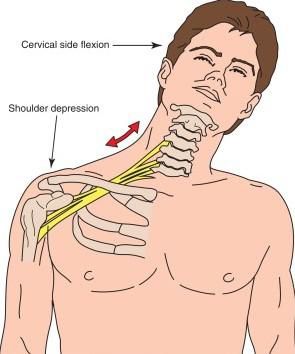
Treatment of brachial plexitis
If there are symptoms of plexus damage:
- pain,
- weakness in the corresponding limb,
- sensitivity disorders are necessary,
Consult a neurosurgeon as soon as possible for early diagnosis and treatment, which significantly increases the chance of restoring limb function.
The presence of an operating microscope, microinstruments, electrodes, and electrical stimulators in the neurosurgical department of the Kherson Regional Clinical Hospital allows for the successful performance of the entire range of surgical interventions on the peripheral nervous system.
Neurosurgeons Zhuravlev O.F. Dmytruk V.S.