Nature of the lesion
The problem of pain occupies a significant place in medicine, despite the large number of conservative and surgical means for its relief.
Often, pain is the only reason that forces a patient to consult a doctor. Degenerative-dystrophic diseases of the spine are characterized by damage to:
- intervertebral discs,
- vertebral bodies,
- adjacent joints
- and the ligamentous apparatus of the spine.
85% of the world’s population suffers from osteochondrosis. Only 20% consult a doctor .
Types of pain
- mechanical,
- root,
- muscular.
Mechanical pain
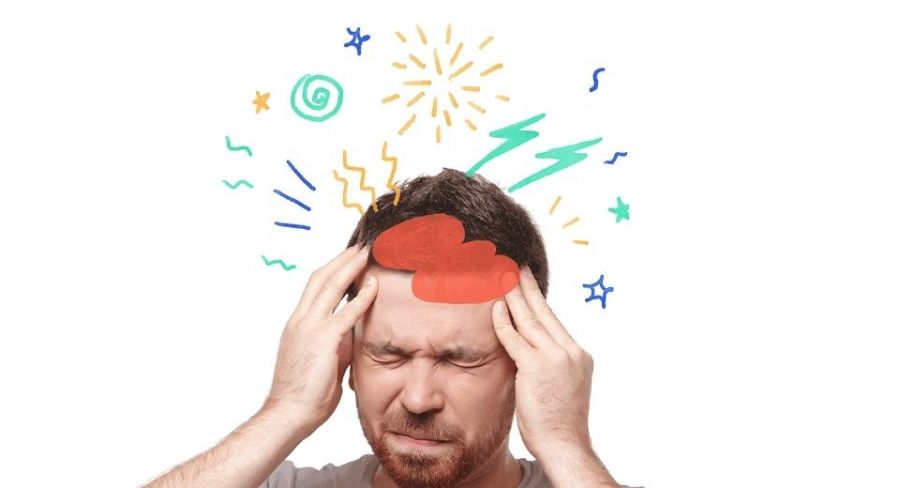
This is pain that occurs during movement and in a sitting position. It occurs suddenly, intensifies after physical exertion. Most often it manifests itself in the form of a shooting pain. A clear example is when a person is bent over and cannot unbend due to a sharp pain in the lower back.
When choosing a gentle posture or lying down, the pain decreases or goes away completely, and in an upright position, it intensifies.
Pain in facet syndrome
In facet syndrome, the pain appears or intensifies when bending the body backward and to the sides, sometimes radiates into the legs (usually not below the knee), and is worse at night and in monotonous postures. This type of pain is also characterized by morning stiffness, which decreases during the day.
Radicular pain
It is characterized by being localized along the course of the nerve root and can occur anywhere: in the neck, in the chest, in the heart area, in the abdomen, in the lower back, in the buttocks, in the leg. The pain is sharp, pulling in nature, its intensity increases with movements (for example, when trying to raise the leg).
Muscle pain
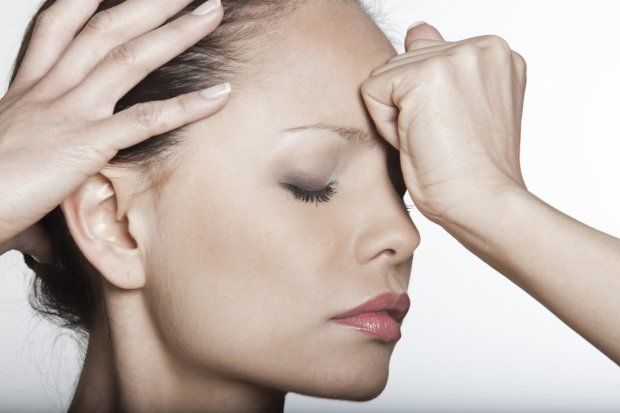
It occurs during muscle spasm and is characterized by the presence of painful muscle seals in tense muscles, which are called trigger points.
The pain when pressing on the point is sharp, a “jumping” symptom occurs – the patient jumps on the couch. In this case, the pain is localized not only at the trigger point, but can also be felt at a distance.
It is often provoked by heavy physical exertion, prolonged stay in an uncomfortable position (for example, after working in the country).
All types of pain are treated in the neurosurgical department.