
Brain tumors
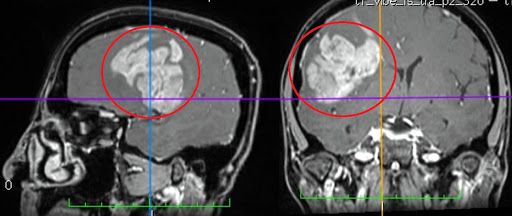
Intracerebral glial tumors account for the largest proportion of all brain tumors (approximately 50%).
Gliomas are primary tumors that arise from nerve cells (neurons and companion cells).
Types
Among glial malignant tumors, the most common are:
- glioblastomas (up to 20%)
- and anaplastic astrocytomas (up to 19%).
At the same time, malignant forms of astrocytomas are much more common.
Locations
“Favorite” locations of gliomas:
- frontal,
- temporal
- and the parietal lobe of the brain.
Most patients are people aged 40 to 65. All of the above emphasizes not only the medical, but also the social significance of brain cancer.
Symptoms
Symptoms of brain tumors are characterized by the progressive development of the disease with a steady increase in general cerebral, focal, and general somatic symptoms, which are caused by the phenomena of tumor intoxication.
The most persistent and typical general brain symptoms are:
- headache ,
- vomit,
- impaired consciousness,
- dizziness,
- meningeal syndrome.
The speed of onset and severity of these symptoms depend on the location and growth characteristics of the tumor.
Focal symptoms
Focal symptoms of brain tumors include:
- mental disorders,
- aphasia (speech disorder),
- paresis and paralysis,
- sensitivity disorders,
- visual impairment,
- hearing impairment,
- cramps,
- imbalance, etc.
Untreated anaplastic astrocytomas and glioblastomas multiforme are rapidly progressive tumors that lead to the death of patients within a few months to a year.
Treatment
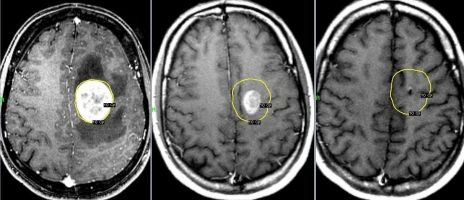
Combination treatment for glial brain tumors includes:
- Neurosurgical operation to remove the tumor,
- chemotherapy treatment
- and radiation therapy (or radiosurgery), depending on the histological variant of the tumor.
Surgical treatment of intracerebral tumors
The leading method for treating intracerebral cerebral neoplasms remains their surgical removal. In our department, brain tumor removal is performed under an operating microscope, using microinstruments, a multifunctional electrocoagulator, and a medical ruby laser.
Benign intracerebral neoplasms of the cerebral hemispheres can usually be removed completely, i.e. radically, provided that the tumor is not located in a functionally important or deep area and the risk of its complete removal does not outweigh the expected positive effect in terms of survival and quality of life of the patient after surgery.
Total removal of malignant glial brain tumors is often impossible due to their significant growth into the surrounding brain tissue and the risk of damage to vital areas of brain tissue and blood vessels.
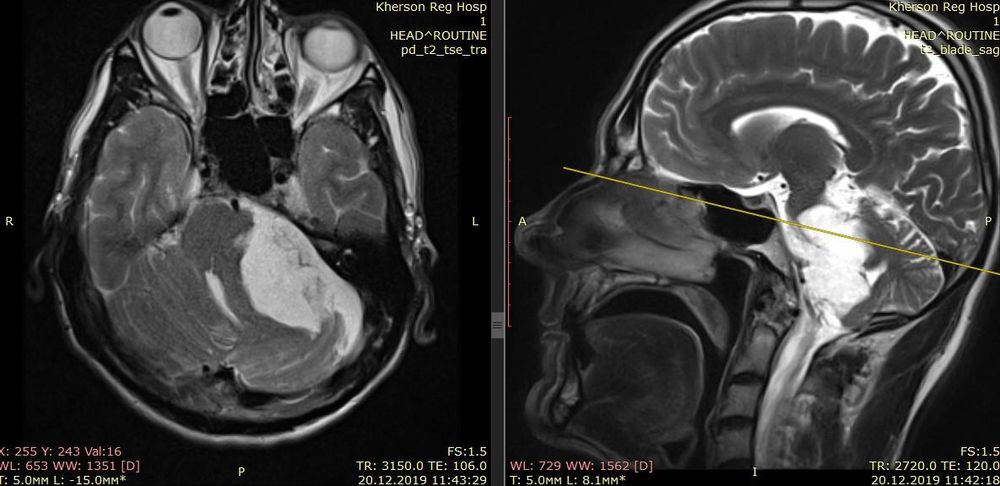
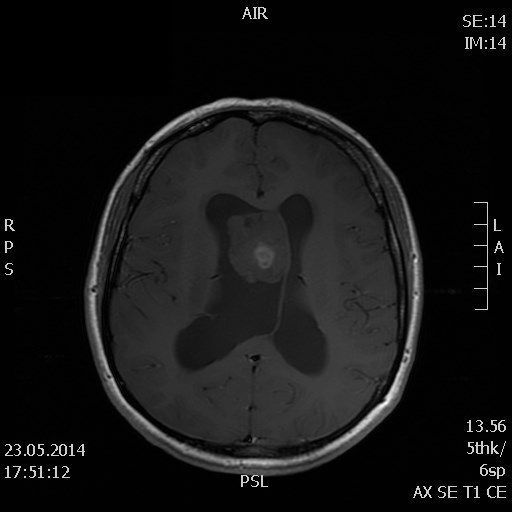
Removal of tumors of the ventricular system of the brain presents significant difficulties. In cases where this cannot be done in full, a so-called shunt operation is performed to drain excess cerebrospinal fluid (CSF) from the brain into the abdominal cavity using a special tube-valve system, which reduces intracranial pressure and improves the patient’s condition.
Removal of metastatic cerebral tumors (surgery) is possible if they are solitary and located in an area accessible for removal.
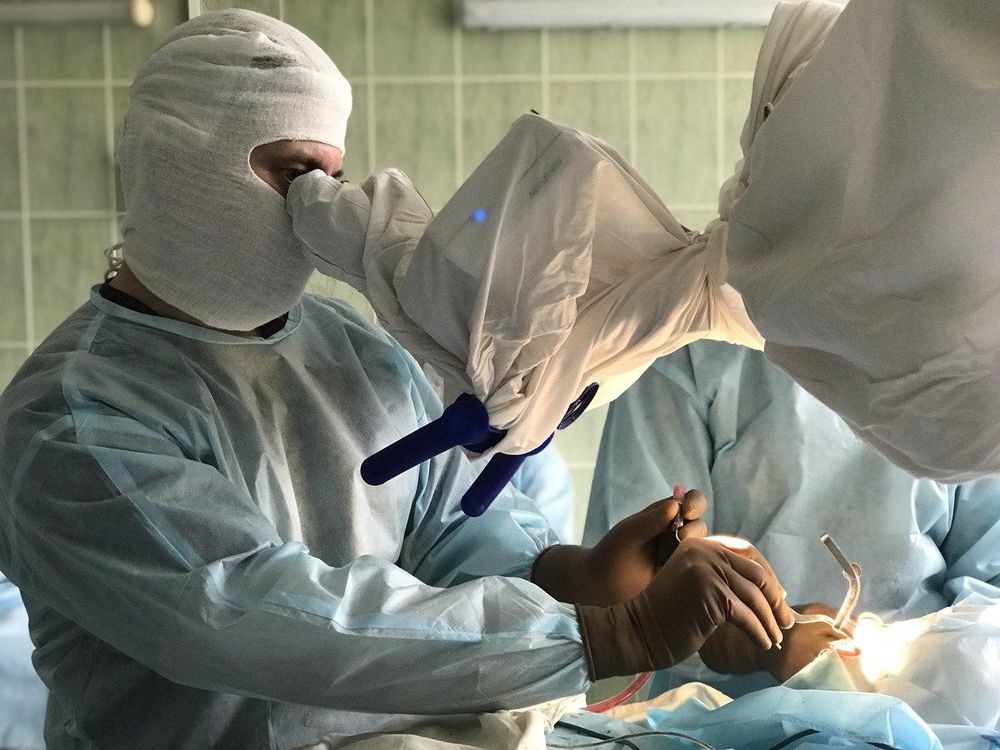
Sometimes during surgery, brain tumor tissue is irradiated with a special medical laser to kill as many tumor cells as possible.
In some cases, when even partial removal of the brain tumor is not possible, the scope of the operation is reduced to decompression trepanation of the skull in order to reduce intracranial pressure and at least temporarily improve the patient’s condition.
Neurosurgeon Dmytruk V.S.
Стаття написана: 22.01.2026
Стаття перевірена медичним спеціалістом: 22.01.2026

Popular destinations:
Advantages
When you consult a neurosurgeon, you can expect: