
Vascular malformations of the central nervous system: types
Cerebral vascular malformations are a congenital pathology of the development of the vascular system , which is characterized by the formation of clusters of pathological vessels of various shapes and sizes.
Depending on the structure, the predominance of veins, capillaries, or pathologically altered vessels, several types of cerebral vascular malformations are distinguished:
- arterial,
- arteriovenous malformation (most common),
- cavernous angioma,
- telangiectasia (capillary),
- venous angioma.
These vessels are pathological, therefore they do not perform their usual function. Normally, the blood that nourishes the brain flows through the arteries, then through smaller arterioles, capillaries, where gas exchange with tissues and the delivery of nutrients to brain cells occur.
The blood then collects in venules, larger veins, and flows into the sinuses of the brain, leaving the cranial cavity. When an AVM occurs, arterial blood does not nourish brain cells, but through pathological shunts is discharged directly into the venous system, bypassing the capillary network.
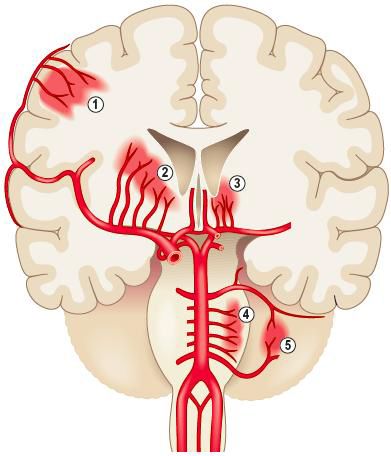
This leads to “robbing” of the brain area, causing a chronic deficiency of oxygen and nutrients. Also, pathological vascular tangles can reach quite large sizes and mechanically compress the brain structures, causing various neurological symptoms. The walls of vascular malformation are worn, so their ruptures with the formation of intracranial hemorrhages (strokes) quite often occur.
Symptoms
Clinically, vascular malformations can manifest themselves as:
- convulsive attacks,
- headache ,
- focal neurological symptoms.
Patients with large malformations may experience a pulsating noise in the head. When a brain malformation ruptures, the symptoms are quite pronounced: patients usually experience a sudden severe headache, often loss of consciousness to the point of coma, and severe gait, speech, memory, and mental disorders occur.

Treatment methods
Prompt removal
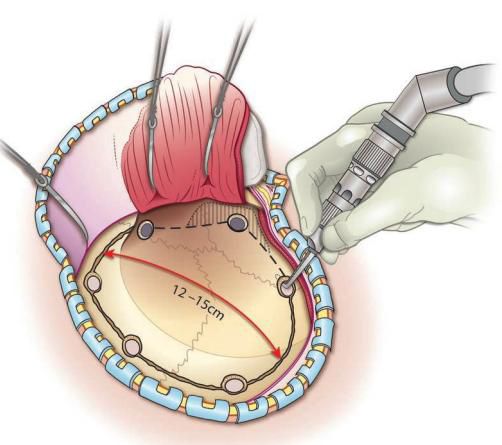
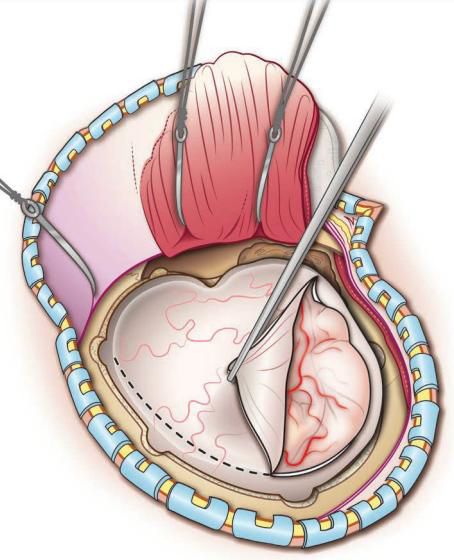
Microsurgical removal is an open brain surgery through a trephination window using an operating microscope and microsurgical equipment. The vessels that feed the malformation are gradually isolated, clipped , coagulated, and the entire malformation node is removed.
Endovascular embolization
A minimally invasive method of treating vascular malformations of the brain without craniotomy is endovascular embolization. The method consists in artificially excluding pathological vessels from bleeding.
This restores blood flow to normal vessels. This is achieved by inserting a thin catheter directly into the malformation vessels and injecting a special adhesive substance that blocks blood flow in the abnormal vessels.
Стаття написана: 22.01.2026
Стаття перевірена медичним спеціалістом: 22.01.2026

Popular destinations:

Advantages
When you consult a neurosurgeon, you can expect: