Opening and drainage of abscess, empyema
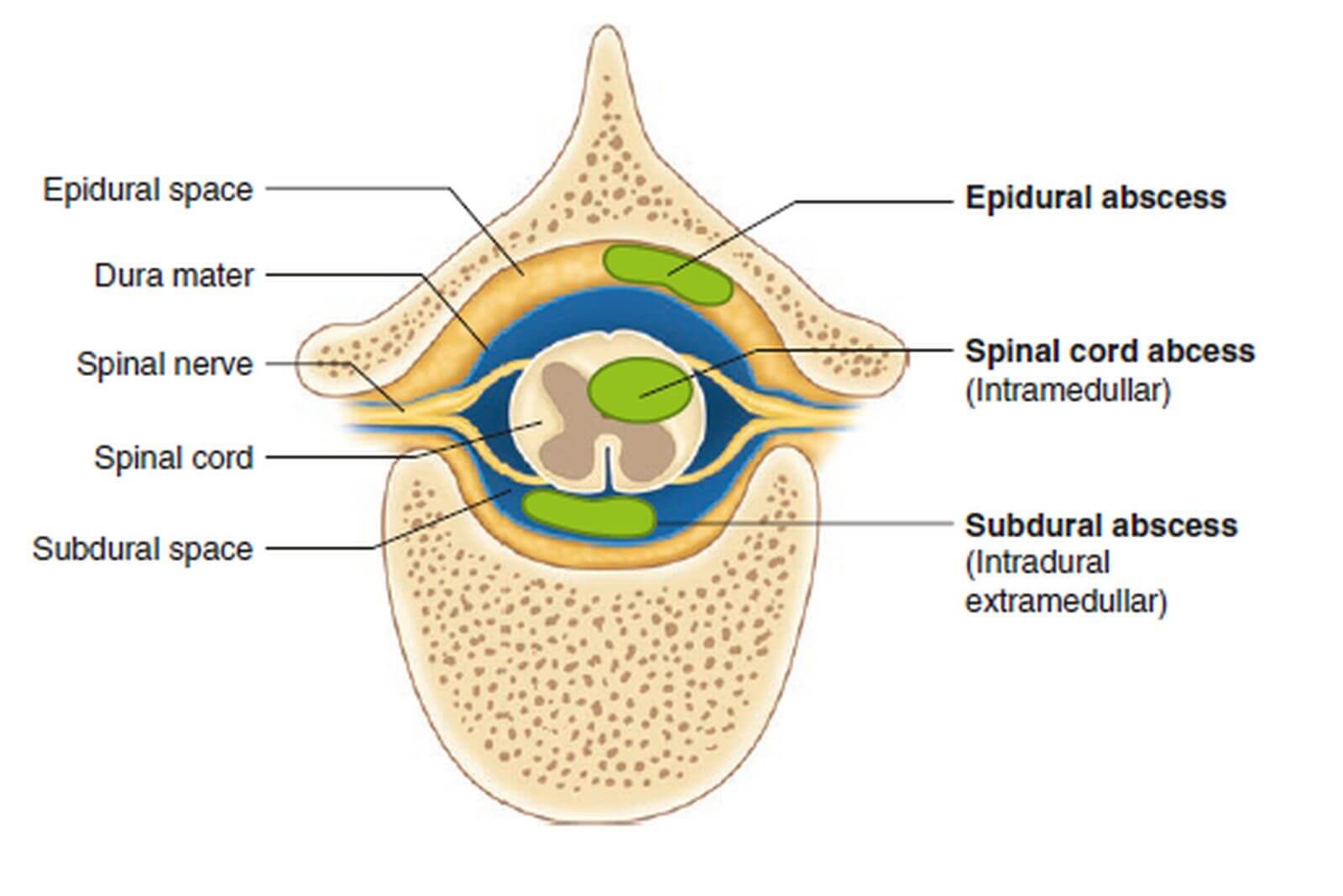
Intracranial and spinal epidural abscesses and subdural empyemas are pockets or localized collections of pus that form between the skull and the top layer of tissue (dura mater (DMT)) that covers the brain.
Subdural empyema is a pocket of pus that collects between the DVM and the middle layer of tissue (the arachnoid membrane) that covers the brain.
Intracranial epidural abscesses and subdural empyemas develop outside the brain matter but inside the skull or spinal canal.
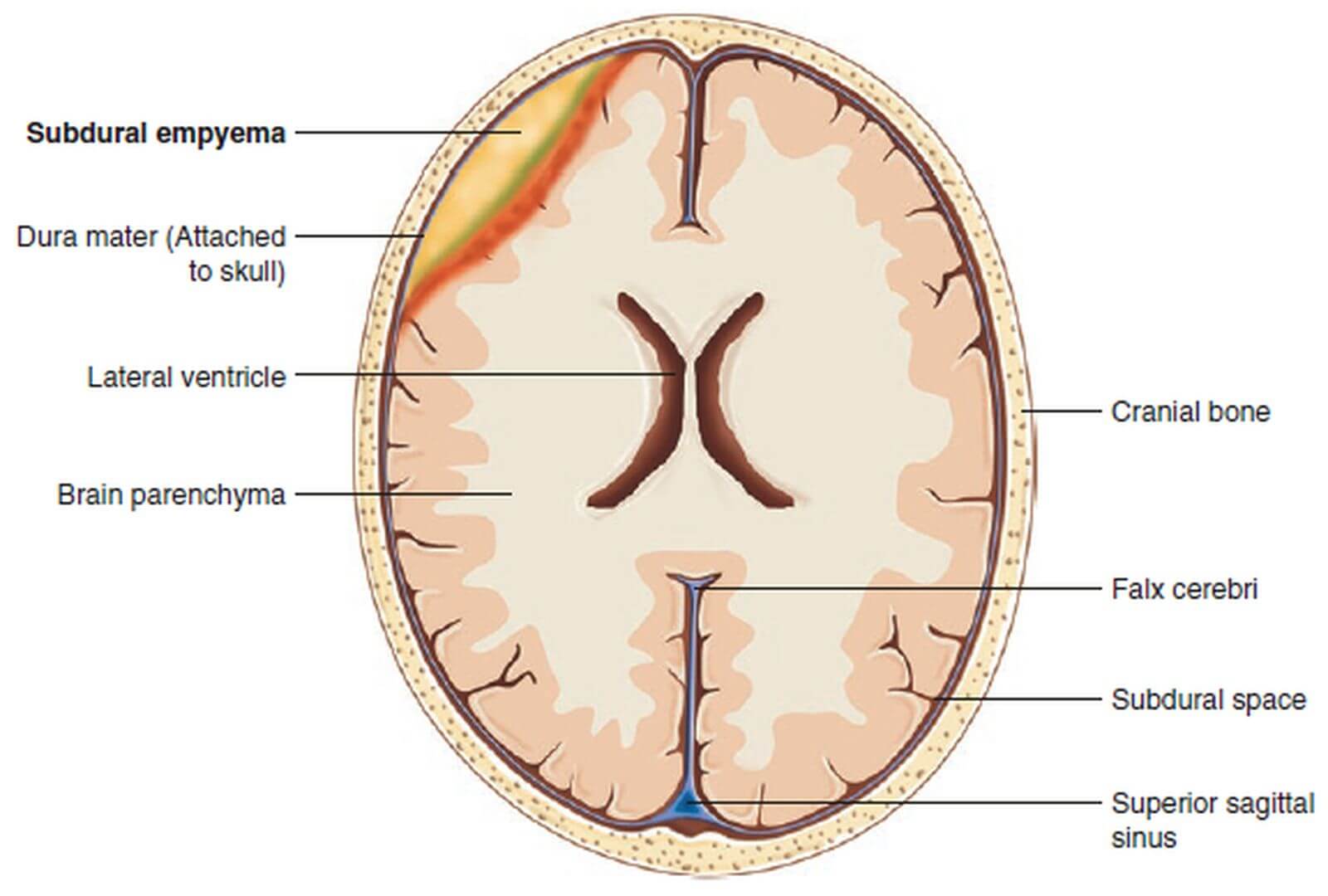
Inside the skull, the brain is covered by three layers of tissue called the meninges:
- Dura mater (outer layer),
- Arachnoid (middle layer),
- Pia mater (inner layer).
An intracranial epidural abscess develops between the outer covering (EM) and the skull. A subdural empyema forms between the arachnoid and dura mater.
Types of treatment
The main method of treatment for intracranial and spinal abscesses and empyema is surgery.
Performing a spinal (lumbar) puncture is ineffective. If there is a large abscess or empyema in the cranial cavity, the evacuation of cerebrospinal fluid during the puncture can lead to the displacement of the brain downward and its wedging into natural openings and crevices.
Brain stem compression can lead to death.
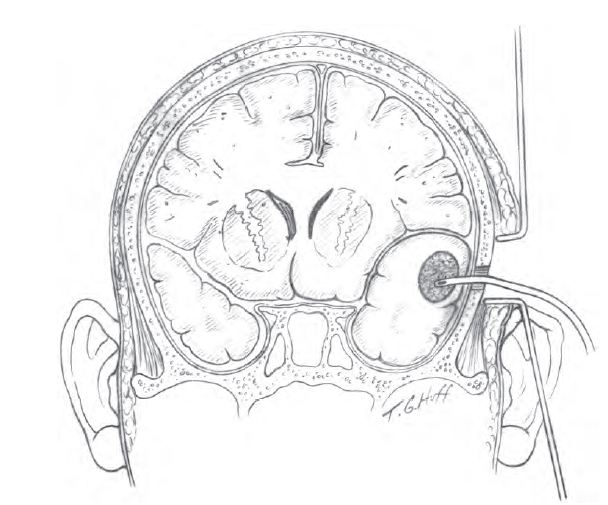
For brain abscesses larger than 2 cm in diameter, empyemas that cause displacement of the brain, surgical drainage is used. It involves inserting a thin tube into the abscess cavity to remove pus and rinse it with antiseptics.
Surgery of such formations is a very important and necessary manipulation, since the breakthrough of pus into the space surrounding the brain leads to severe complications and even death of the patient. It is extremely important to carry out treatment in a timely manner, since its postponement leads to a significant increase in brain damage.
Therefore, timely and as radical treatment as possible by professionals is the key to success in this complex and deadly disease.
In infants, an abscess or empyema can sometimes be punctured directly through the skull base to remove pus and reduce intracranial pressure. If the source of infection is in the adjacent sinuses or middle ear, concurrent surgery to drain these abscesses will likely be necessary.