

Dynamic spinal stabilization
Dynamic spinal stabilization involves the use of so-called flexible fixation systems – mobile prostheses of intervertebral discs, flexible rods for fastening implants and bone structures of the spine, as well as so-called shock absorbers – flexible intervertebral implants that regulate the range of motion of the affected vertebrae.
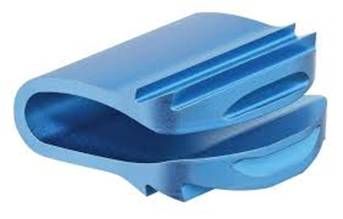
The essence of using dynamic spinal stabilization systems is to restore the natural anatomical geometry of the spine while preserving its biomechanical properties, without rigid locking of the vertebrae, with maximum physiological mobility in the spinal motor segments.
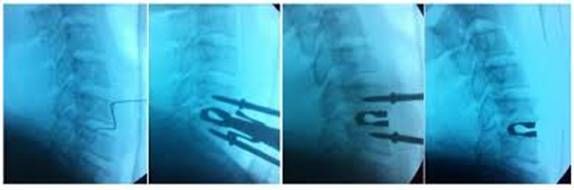
For dynamic stabilization of the cervical spine (DCI), special systems are used that involve the installation of a special implant between the bodies of the cervical vertebrae through an anterior approach instead of the removed intervertebral disc. 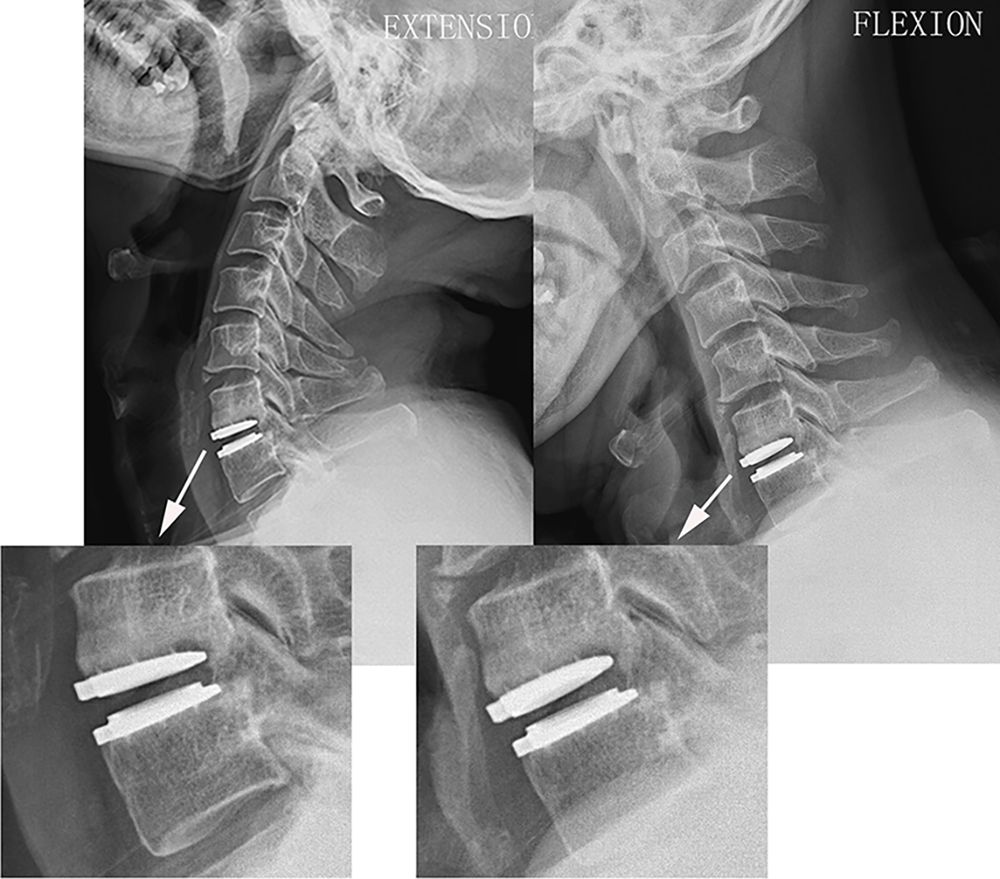
Features of dynamic spinal stabilization systems
A distinctive feature of dynamic spinal stabilization systems is that they allow to eliminate the development of instability in the affected segment and prevent the development of degenerative changes in adjacent spinal motor segments. Preservation of mobility in the operated and adjacent segments ensures the physiological fullness of spinal functions.
In addition, dynamic stabilization of the spine allows you to remove excessive load from the intervertebral (“facet”) joints and prevent the development of their degenerative damage with the formation of the so-called “disease of adjacent levels.”
Neurosurgeon Borblyk E.V.
Стаття написана: 22.01.2026
Стаття перевірена медичним спеціалістом: 23.01.2026

Popular destinations:
Advantages
When you consult a neurosurgeon, you can expect: