Laser ablation of spinal tumors is a minimally invasive procedure used to remove or reduce the size of tumors in the spine. Laser energy is directed at the affected tissues, causing them to be destroyed by heating without the need for open surgery.

Advantages of laser ablation:

  • Minimally invasive. The procedure is performed through a small incision or puncture, which reduces the risk of complications.
  • Minimal pain and blood loss. Compared to open surgeries, the procedure causes less pain and risks minimal blood loss.
  • Fast recovery. Due to the absence of large incisions, the patient recovers faster and can return to normal activities.
  • Precision. The laser allows the doctor to precisely target the affected area, with minimal damage to surrounding healthy tissue.

Indications for laser ablation:

  • Spinal tumors that are difficult to treat with other methods or are located in hard-to-reach places.
  • Benign tumors or metastatic lesions that cause pain or other neurological symptoms.

For primary and metastatic spinal tumors, the laser ablation method is used, which consists in thermal destruction of the tumor node as a result of exposure to laser radiation energy.
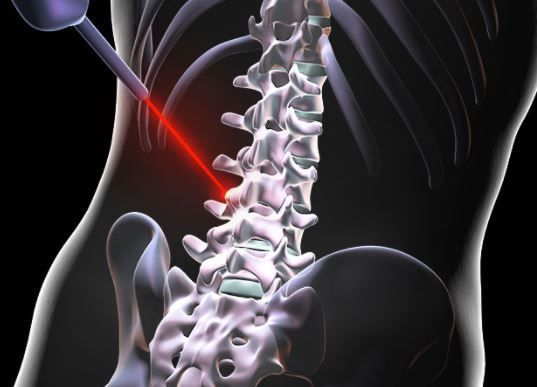
Laser ablation of a spinal tumor 1 Тернопіль

Procedure:

  1. The patient is usually under local or general anesthesia.
  2. Through a small incision, the doctor inserts a laser device, using CT or MRI images for precise navigation.
  3. The laser acts on the tumor, burning it out or reducing its volume.
  4. After the procedure is complete, the patient is monitored for possible complications.

Under X-ray control, a special light guide is inserted into the tumor node, which serves as a “conductor” of laser energy. After the irradiation session, the tumor tissue heats up, which leads to the death of tumor cells.

Laser ablation is a promising method for treating spinal tumors, especially in cases where traditional surgery is risky or impossible.

Стаття написана: 22.01.2026

Стаття перевірена медичним спеціалістом: 23.01.2026
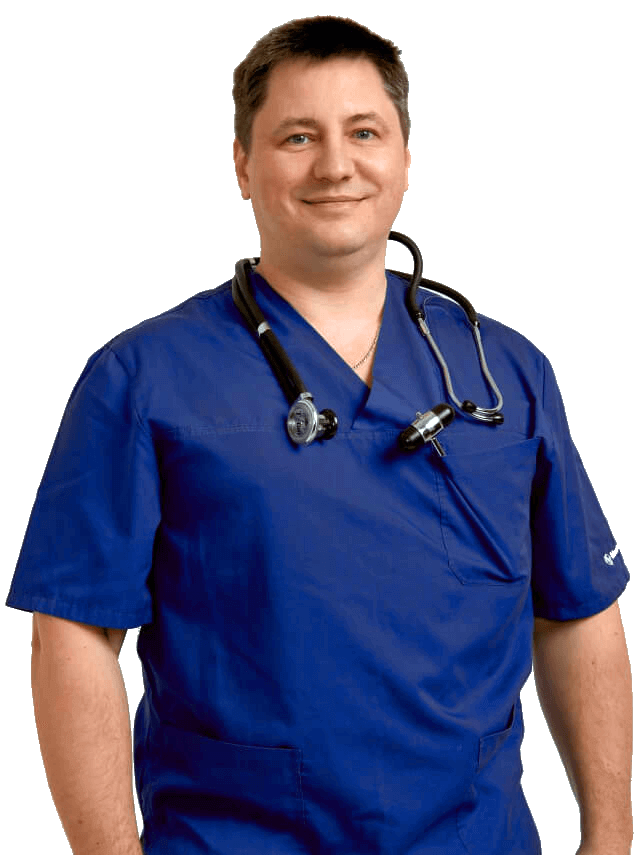
Автор статті: Леонтьєв Олексій

If you need treatment from a neurosurgeon in Ternopil, you should follow these steps:

  1. Contact your family doctor or specialist who can recommend a neurosurgeon in Ternopil.
  2. Contact the nearest medical facility to receive a referral for a consultation with a neurosurgeon in Ternopil.
  3. Make an appointment for a consultation with your chosen neurosurgeon in Ternopil. You can do this through the contact center of the medical institution, using the online appointment form on the hospital website, or directly contact the reception.
  4. Prepare all necessary medical documentation, including test results, X-rays, and other tests. This will help the doctor better understand your condition and prescribe the necessary treatment.
  5. During your consultation, your neurosurgeon will review your medical records, perform additional tests, and prescribe treatment based on your diagnosis. They will also give you advice on how to care for yourself during your treatment.

In Ternopil, there are several options where you can get help:

1. Ternopil Regional Clinical Hospital:

  • It has a neurosurgery department where qualified specialists can diagnose and treat developmental abnormalities of the nervous system.
  • The head of the neurosurgery department is Oleksiy Oleksandrovych Leontiev, an experienced neurosurgeon who has successfully performed many operations to treat developmental anomalies.
  • Contact information:

2. Private medical institutions:

  • There are also several private medical institutions in Ternopil that offer services for the diagnosis and treatment of developmental anomalies.
  • It is recommended to read reviews about these institutions and compare their prices before making a final choice.

Importantly:

  • Before contacting any medical facility, it is recommended to consult with your family doctor.
  • You must have all necessary medical documents with you, such as an outpatient card, test results, and examinations.
Laser ablation of a spinal tumor 3 Тернопіль

The article was checked by a neurosurgeon of the highest category: LEONTIEV OLEKSII.

It is of general informational nature and does not replace specialist advice. For recommendations on diagnosis and treatment, a doctor’s consultation is required.

Advantages

When you consult a neurosurgeon, you can expect:
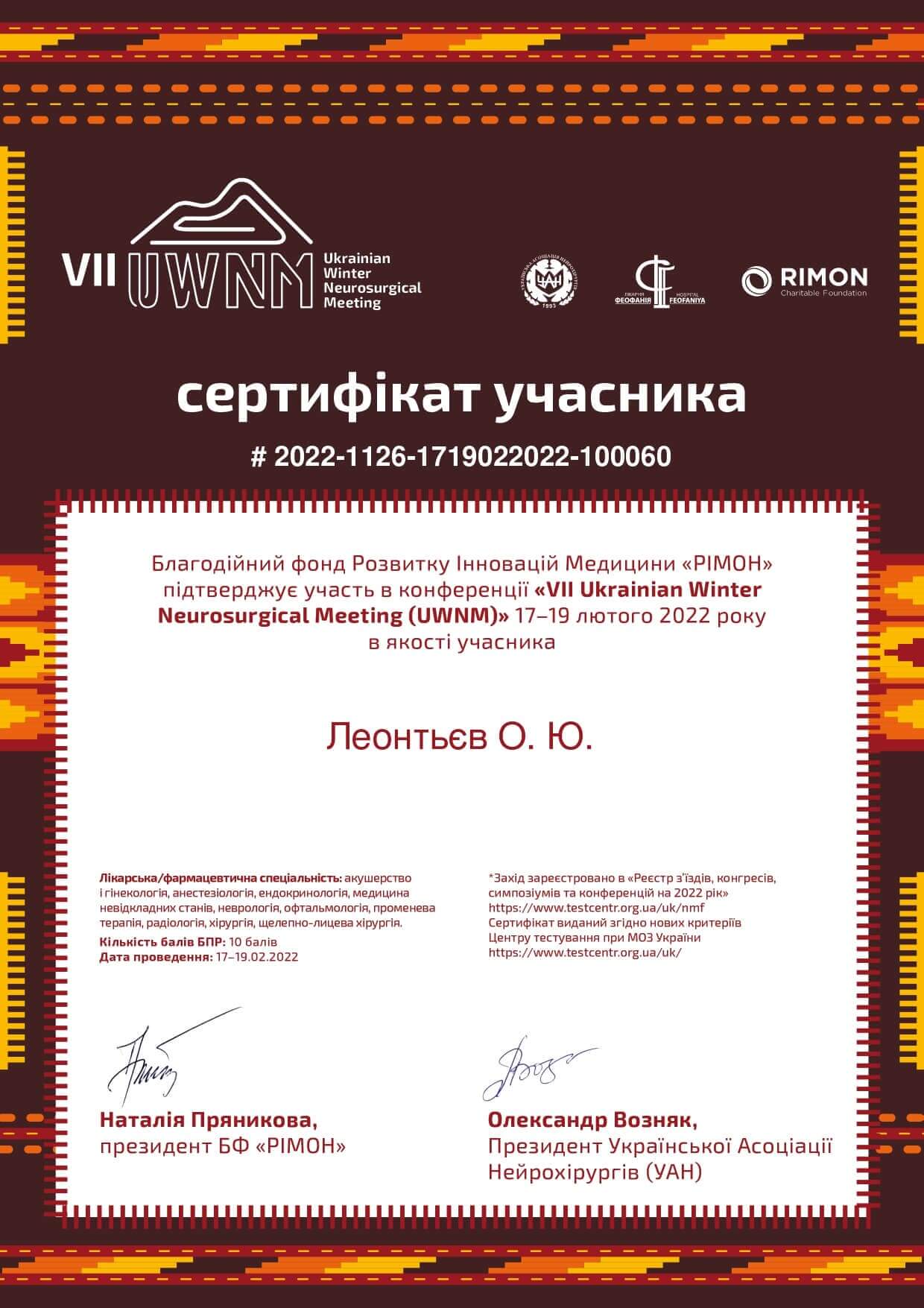
  • Skill in performing complex surgical operations on the brain and spinal cord, as well as on the nerves.

  • Caring for our patients, ensuring they have the most comfortable course of treatment.

  • Knowledge of the latest technologies and treatment methods, which are constantly being improved.

  • Neurosurgery gives a chance for a new life!

Ready to feel better? Then just fill out the form below

Leave a Reply

Your email address will not be published. Required fields are marked *

  • Rating
Так, лікар-нейрохірург може допомогти з Laser ablation of a spinal tumor. Однак оптимальне лікування залежить від розміру, типу та місцезнаходження проблеми, а також від загального стану пацієнта.
Вартість Laser ablation of a spinal tumor будуть оголошені після первинної консультації та аналізів.
З питання Laser ablation of a spinal tumor у Тернополі можна звернутися за адресою проспект Степана Бандери, 96 до відділення нейрохірургії до лікаря Леонтьєва Олексія.

Часті питання, які можуть виникнути у пацієнтів перед візитом до нейрохірурга, можуть включати:

  • Які симптоми повинні змусити мене звернутися до нейрохірурга?
  • Які діагностичні процедури виконуються перед хірургічним втручанням?
  • Які можливі ризики та ускладнення пов’язані з операцією?
  • Якою буде тривалість відновлювального періоду після операції?
  • Які можливості для лікування є, крім хірургічного втручання?
  • Які дієтичні та режимні рекомендації слід дотримуватись після операції?
  • Як можна зменшити ризик повторного виникнення патології після операції?
  • Які показники ефективності хірургічного лікування та які шанси на повне одужання?

Звісно, ​​конкретні питання залежатимуть від хвороби чи стану пацієнта. Нейрохірург обговорить з пацієнтом усі деталі операції, діагностики та післяопераційного догляду та відповість на будь-які додаткові питання пацієнта.