
This is a type of combined injury in which several anatomical areas are damaged. Most often, a combined injury is the result of a road accident or a fall from a height. It has a characteristic symptom of mutual aggravation, that is, one injury complicates the other.
Victims are often brought to the hospital unconscious and in a state of shock, requiring hospitalization in the intensive care unit until their condition stabilizes.
Types of moderate injuries
- Moderate brain contusion , sometimes combined with a fracture of the bones of the skull base, subdural, epidural hematoma, subarachnoid hemorrhage.
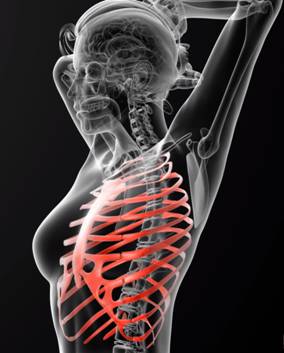
- Lung contusions combined with multiple rib fractures.
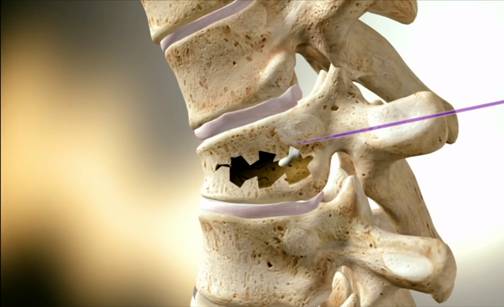
- Closed fractures of the bones of the limbs, fractures of the spine (without paresis and paralysis).
Types of serious injuries
- severe brain contusion,
- crushing of brain matter,
- subdural and epidural hematoma, causing significant compression of the brain,
- intracerebral hematoma,
- intraventricular hemorrhages,
- fractures of the bones of the base of the skull,
- comminuted fractures of the bones of the skull vault,
- depressed fractures of the bones of the cranial vault in combination with multiple comminuted fractures of the ribs,
- pneumothorax,
- hemothorax,
- massive lung injuries,
- intra-abdominal bleeding resulting from liver rupture, spleen rupture,
- open fractures of the bones of the skeleton,
- spine fracture
- spinal cord injury , which results in paresis and paralysis.
Diagnostics
- MSCT of the head, neck, chest and abdominal organs, retroperitoneal space, and pelvic organs is the gold standard of diagnosis.
- Radiography.
- Ultrasound of the pleural cavities and abdominal organs.
Treatment
In the case of a combined injury, in most cases, victims require surgical treatment aimed at eliminating:
- compression of the brain, spinal cord,
- stop bleeding,
- if necessary, suturing damaged internal organs,
- restoration of skeletal bones.
Priorities
The priority is to treat the most severe injury. For example, in the case of:
- intracranial hematoma, which causes compression and dislocation of the brain, and rib fractures, surgical treatment will initially be performed to remove the hematoma ,
- and in case of intra-abdominal bleeding with liver damage and moderate brain contusions, surgical treatment will first be performed to stop intra-abdominal bleeding and suture the liver wound.
Also very important in the treatment of multiple injuries is adequate anesthesia and bringing the patient out of shock; in some cases, the patient is put into an artificial coma.
Surgical treatment of severe combined injuries
Symptoms
Severe combined traumatic brain injury is the most difficult problem of modern medicine, despite all scientific achievements.
The presence of both severe craniocerebral and severe extracranial trauma is the most complex clinical scenario. The syndrome of mutual burden implies a sharp deterioration of the patient’s condition in the presence of two or more injuries, even mild or moderate in severity, of cerebral and extracerebral localization.
Multidisciplinary approach
The need to perform surgery on patients with combined trauma represents the most complex task, the solution of which requires the involvement of a multidisciplinary approach and the entire spectrum of resuscitation and laboratory support.
Extracranial trauma requiring surgical treatment often results in neurological deterioration.
Operations:
- on bone structures,
- internal organs,
- spine,
- maxillofacial region
lead to blood loss, episodes of hypotension, which increases cerebral hypoxia.
Even short-term hypoxia in severe brain injury leads to irreversible secondary damage. Therefore, all patients with severe combined craniocerebral trauma should be treated in the intensive care unit with constant monitoring of vital functions and constant laboratory control.
Types of injuries
Severe traumatic brain injury is often accompanied by brain damage that requires surgical treatment:
- intracranial hematomas and compression fractures of the cranial vault ,
- severe brain injuries with dislocation syndrome.
Complication
With a combination of the following damages:
- brain with severe skeletal injuries,
- rupture of internal organs with bleeding,
- chest and lung damage,
The decision on the tactics of surgical treatment is made by a council of doctors.
Doctors Malyshenko M.P., Dmytruk V.S.
Стаття написана: 22.01.2026
Стаття перевірена медичним спеціалістом: 22.01.2026

Popular destinations:

Advantages
When you consult a neurosurgeon, you can expect: